
- Discount up to 35% for first purchase only this month.
- sales@ysecobeefarmsusa.com
- (+1) 3252088500

Wondering if that golden, waxy block at the farmers market is actually food? Is honeycomb edible? Yes — completely, wax and all — and it might just become your new favorite way to eat honey. Here’s everything you need to know before you take a bite.
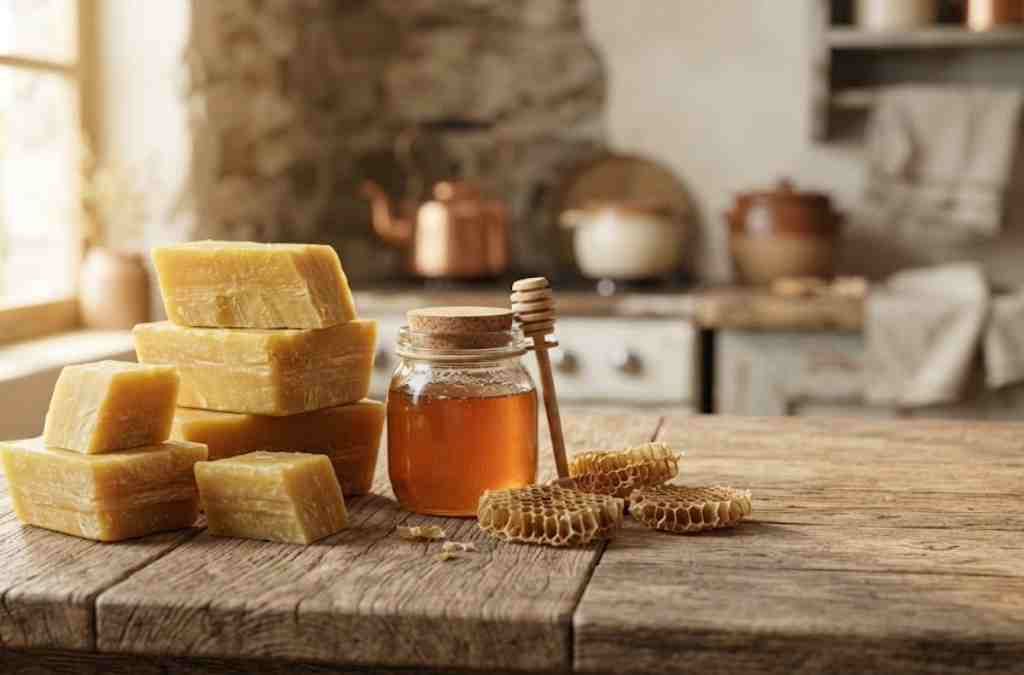
Yes, honeycomb is edible — every part of it. The honey inside, the waxy hexagonal cells holding it together, even the little bits of pollen or propolis you might spot along the edges. It’s all safe to eat, assuming you don’t have a bee-product allergy.
If you’ve only ever known honey as the smooth liquid in a squeeze bottle, seeing a chunk of comb for the first time can feel a little confusing. It looks more like something you’d find in a candle shop than on a cheese board. But comb honey is actually the most original, least tampered-with form of honey there is. Bees build it, fill it, seal it — and humans just cut it out and eat it as-is.
So when someone asks, is honeycomb edible, the real question underneath is usually “can I eat the wax too?” And the answer to that is also yes.
Before you dig in, it helps to know what you’re actually eating. Honeycomb is made of two main components:
Bees choose hexagons for a practical reason: the shape uses the least amount of wax while holding the most honey, with zero wasted space. It’s basically nature’s most efficient storage container, and it happens to be delicious.
Some comb also contains tiny traces of pollen or propolis (the resin bees use to seal gaps in the hive), which adds subtle earthy or bitter notes depending on the batch.
This is where most people hesitate. Beeswax looks and feels nothing like food — it’s firm, slightly rubbery, and doesn’t dissolve in your mouth the way honey does. But chemically, it’s a food-grade lipid, and it’s completely non-toxic.
Here’s what actually happens when you eat it:
So if you’re still asking, is honeycomb edible when it comes to the wax specifically — yes, but treat it the way you’d treat any dense, fibrous food: enjoy it, but don’t consume an entire block in one go.
There’s a reason comb honey has quietly become a favorite among chefs, cheese boards, and health-conscious households. The benefits of eating honeycomb go beyond novelty:
One thing worth noting: raw honey retains slightly more of its natural enzymes and micronutrients than honey that’s been extracted, heated, and bottled. It’s not a dramatic difference, but it’s real, and it’s one of the quieter benefits of eating honeycomb that most people never hear about.
This is the part a lot of articles skip, and it’s genuinely important.
Outside of these groups, honeycomb is safe for the vast majority of people, including kids over one year old.
Once you’ve settled the is honeycomb edible question in your own head, the fun part is figuring out how to actually eat it. A few tried-and-true methods:
If chewing wax isn’t your thing, you can also just scrape the honey out with a spoon and discard the empty cells — nothing wrong with that either.
Not everything sold as “honeycomb” online is the real deal, so a quick buying tip: genuine comb should look slightly uneven and imperfect, with visible capped cells and a color that ranges from pale gold to deep amber depending on the flowers the bees visited. Uniform, plastic-looking comb is usually a red flag.
For storage:
Is honeycomb edible for everyone, or are there exceptions?
>>>>It’s safe for almost everyone, but infants under one year old should never eat it due to botulism risk, and anyone allergic to bee products should avoid it as well.
Does eating honeycomb wax cause any digestive problems?
For most people, no. Small amounts pass through the body without issue. Eating a large piece all at once can occasionally cause mild bloating. This happens simply because beeswax is dense and doesn’t digest the way food normally does.
What does honeycomb taste like compared to regular honey?
It tastes like a more intense, less refined version of honey, since nothing has been filtered or heated. The wax itself is mild and slightly floral, adding texture rather than a strong flavor of its own.
How much honeycomb is safe to eat in a day?
A spoonful-sized piece, roughly one to two tablespoons, is a reasonable daily amount for most adults. It’s naturally high in sugar, so moderation matters more than the wax content.
Can you cook or bake with honeycomb?
Yes. Chopped honeycomb works well folded into batters, melted into sauces, or used as a topping after baking. Keep in mind the wax won’t fully melt the way honey does, so it’s better suited to recipes where a little texture is welcome.





Y.S. Eco Bee Farms USA
Y.S. Eco Bee Farms USA is a trusted American wellness brand offering premium organic bee products. We provide pure, natural, and effective bee-based supplements made with sustainable sourcing and ethical beekeeping.
Y.S. ECo Bee Farms
Y.S. Organic Bee Farms
All Right Reserved Design By Example