
- Discount up to 35% for first purchase only this month.
- sales@ysecobeefarmsusa.com
- (+1) 3252088500

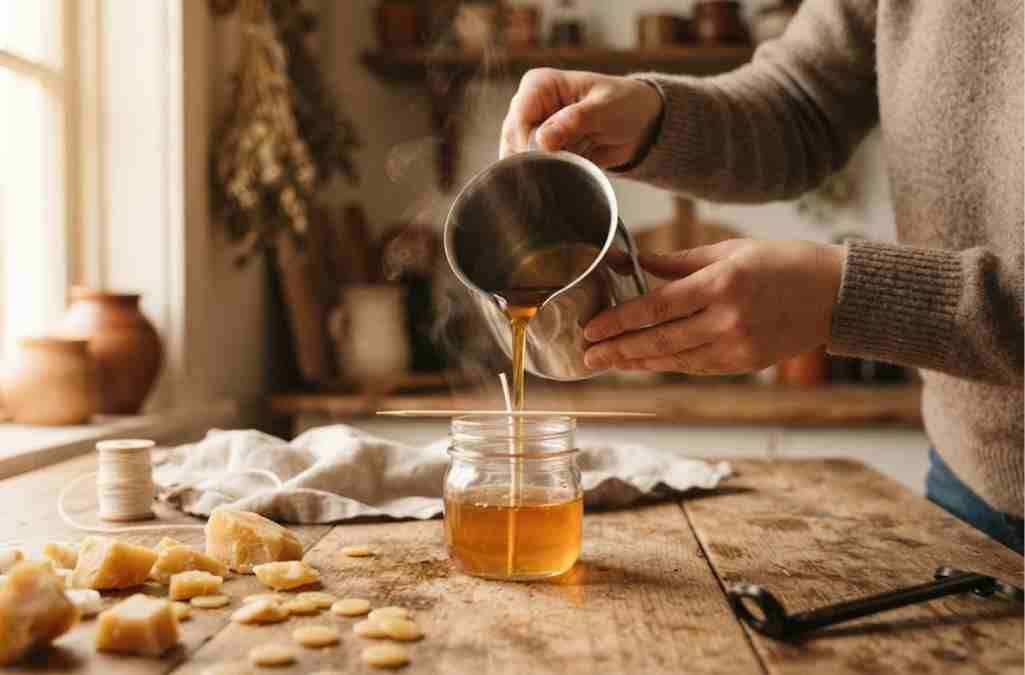
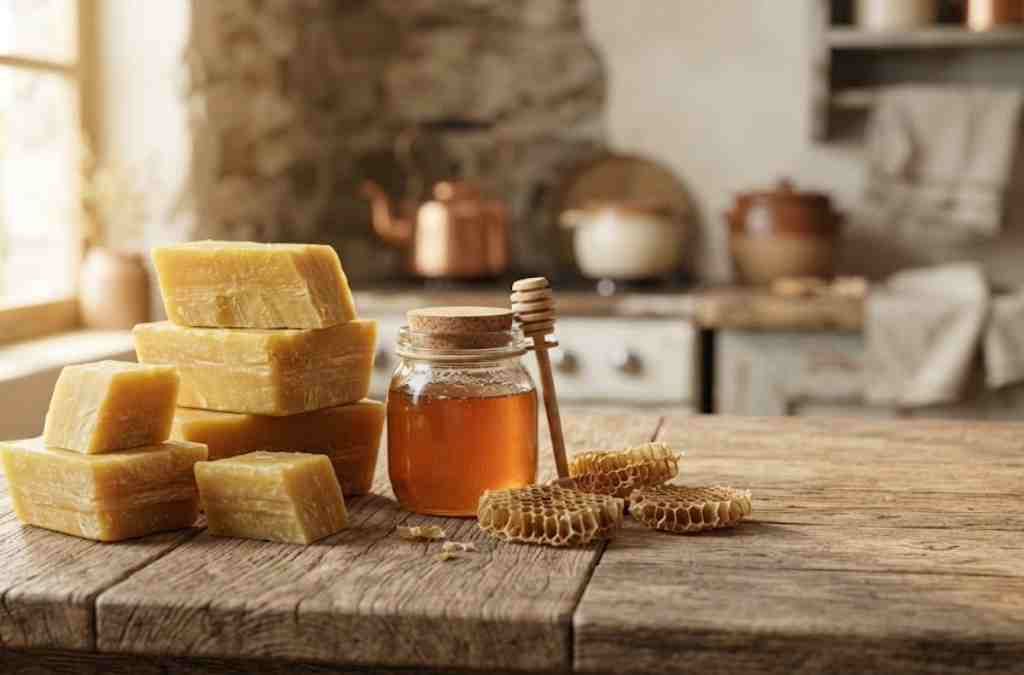
Looking for real, unfiltered beeswax without the guesswork? This guide shows you exactly where to buy beeswax — from local beekeepers to trusted online sellers — so you get pure wax at a fair price, every time.
If you’ve typed “where to buy beeswax” into Google and landed on a page of random Amazon listings with no context, you’re not alone. Most guides just drop links and call it a day. They don’t tell you what grade you actually need, how to spot wax that’s been cut with paraffin, or why that suspiciously cheap block from an unnamed seller might not be worth the risk.
This guide fixes that. Whether you’re melting it down for candles, whipping up a lip balm, polishing furniture, or making reusable food wraps, you’ll walk away knowing exactly where to buy beeswax that fits your project — and your budget.
Not all beeswax is created equal, and the source matters more than most first-time buyers realize. Wax quality depends on how the bees foraged, how it was filtered, and whether the seller added anything to stretch their supply.
A few things separate good wax from bad:
Once you know what you’re looking for, choosing where to buy beeswax becomes much easier.
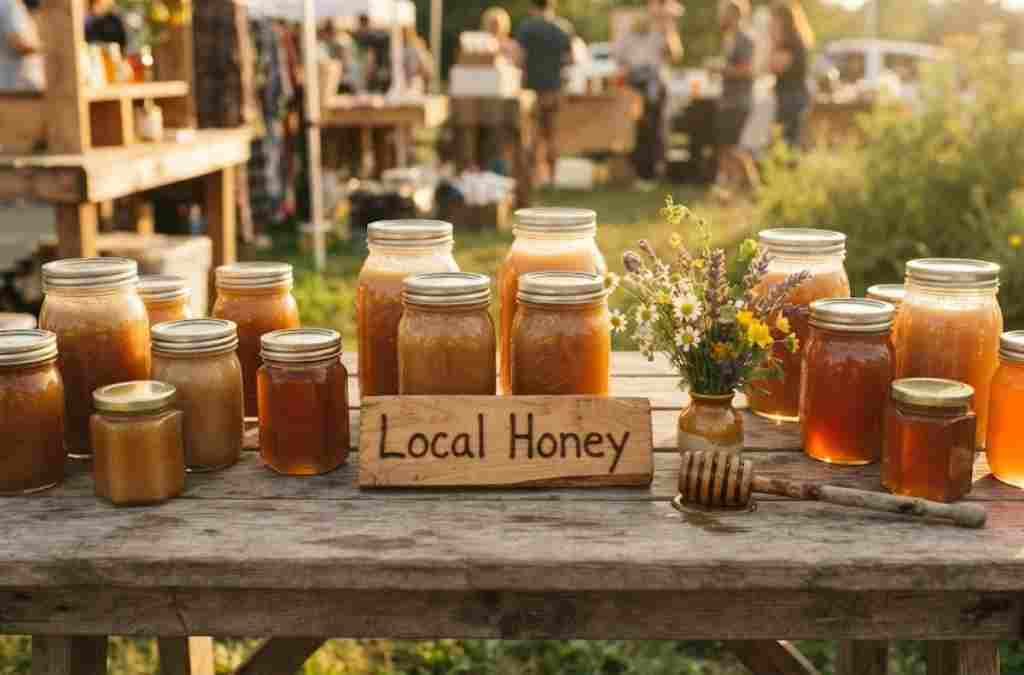
Local Beekeepers and Farmers Markets
This is honestly the best place to start if you have the option. Buying directly from a local beekeeper means you’re getting wax that’s fresh, traceable, and usually far cheaper per pound than retail packaging.
The only downside is inconsistent supply — small beekeepers sell out, especially after the fall honey harvest.
Craft and Hobby Stores
If you need a small amount quickly and don’t want to wait on shipping, stores like Michaels, Hobby Lobby, and JOANN carry beeswax in their candle-making or soap-making aisles. Suppliers usually sell it in 1 lb blocks or pastilles.
This option works well for:
The trade-off is price — craft store wax tends to cost more per ounce than buying in bulk online or from a beekeeper.
Online Retailers and Specialty Beekeeping Suppliers
For consistent quality and bulk pricing, online is usually the strongest answer to where to buy beeswax. A few reliable categories to search:
When shopping online, always check for a clear statement of purity (100% pure, no fillers) and, ideally, a note on where the seller sourced the wax. Sellers who are proud of their process usually say so upfront.
Grocery and Health Food Stores
This one gets skipped in most guides, but it’s worth mentioning. Some natural grocery chains and co-ops carry small blocks of beeswax near the candle-making or DIY skincare supplies, particularly around fall and winter when interest in homemade gifts spikes. Stock is limited and inconsistent, so treat this as a backup option rather than your main source.
Once you’ve figured out where to buy beeswax, the next question is which type. Beeswax generally comes in three practical grades:
Matching the grade to the project saves money and avoids disappointment. Nobody wants to spend cosmetic-grade prices on wax that’s going into a furniture polish.
How Much Beeswax Do You Actually Need?
A rough guide most sellers don’t spell out clearly:
Buying slightly more than you need is smart since beeswax stores indefinitely if kept cool, dry, and away from direct sunlight — it doesn’t spoil or go rancid like oils can.
Pricing swings quite a bit depending on grade and quantity, but as a general benchmark:
If you see beeswax priced dramatically below these ranges, especially in bulk, it’s worth double-checking the ingredient list before buying — that’s usually where blended or synthetic wax shows up.
A few warning signs worth knowing before you check out:
A little label-reading goes a long way toward making sure you actually get what you paid for.
Is it cheaper to buy beeswax online or in-store?
Online is usually cheaper per ounce, especially in bulk, because you’re often buying directly from a producer without retail markup. In-store options like craft stores are convenient for small, immediate purchases but tend to cost more per pound.
Can I buy beeswax in bulk for a small business?
Yes, most beekeeping suppliers and small farms offer bulk pricing tiers, often starting at 5 lb or 10 lb blocks. If you’re planning to make and sell candles or skincare products regularly, buying directly from a producer or wholesaler will give you the best margins.
What’s the difference between yellow and white beeswax?
Yellow beeswax is the natural, unbleached form straight from the hive, keeping its honey scent and color. Manufacturers bleach or filter white beeswax further to remove color and odor, which they prefer for cosmetics where a neutral base is needed.
Does it matter if beeswax comes from a specific region?
Not for quality, but it does affect color and scent since it depends on what flowers local bees foraged. Some buyers do prefer domestically sourced wax to support local beekeepers and ensure more consistent sourcing standards, particularly compared to imported wax of unclear origin.
How can I tell if beeswax has been mixed with paraffin?
Real beeswax has a slightly tacky texture when warmed between your fingers and a mild honey scent, while paraffin feels slicker and smells more like candle wax or nothing at all. A simple burn test also helps — pure beeswax burns with a soft yellow flame and minimal soot, while paraffin blends tend to smoke more.



Y.S. Eco Bee Farms USA
Y.S. Eco Bee Farms USA is a trusted American wellness brand offering premium organic bee products. We provide pure, natural, and effective bee-based supplements made with sustainable sourcing and ethical beekeeping.
Y.S. ECo Bee Farms
Y.S. Organic Bee Farms
All Right Reserved Design By Example