
- Discount up to 35% for first purchase only this month.
- sales@ysecobeefarmsusa.com
- (+1) 3252088500

Wondering how to get bee pollen safely and easily? This quick guide breaks down where to buy it, how to harvest it yourself, and how to use it for real energy, immune, and wellness benefits — no guesswork required.
If you’ve been searching for how to get bee pollen, you’re probably tired of vague answers that either push you straight to a supplement aisle or bury you in beekeeping jargon. This guide covers both sides — buying it, harvesting it yourself, spotting good-quality granules, and using it safely — so you know exactly what to do next.
Bee pollen is a small, soft pellet made when worker bees pack flower pollen together with a bit of nectar and their own enzymes, then carry it home in tiny “baskets” on their hind legs. Once it’s back at the hive, it either feeds the colony or gets collected by a beekeeper. Before we get into how to get bee pollen, it helps to know it’s not the same thing as honey or royal jelly — it’s its own product, with a coarse, granular texture and a nutty, slightly bitter-sweet taste that surprises a lot of first-timers.
Here’s the part people rarely explain clearly: figuring out how to get bee pollen really comes down to two paths. You either buy it from someone who’s already harvested and processed it, or you collect it yourself if you keep bees. Both work well — it just depends on your budget, your goals, and how hands-on you want to be.
Option 1 — Buying It From Stores or Online
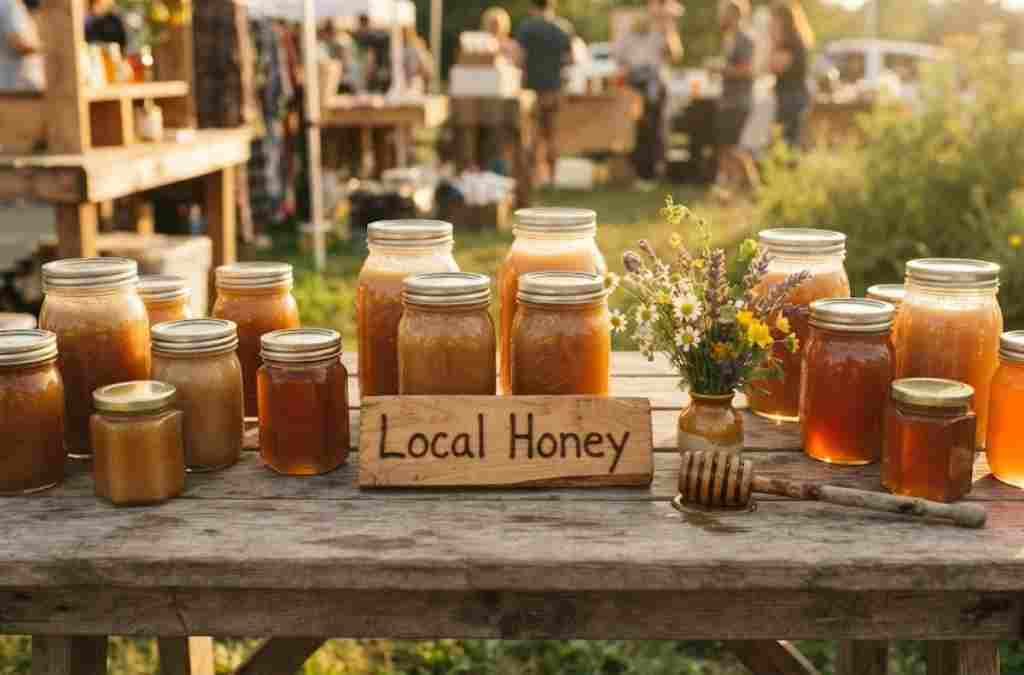
For most people, this is the fastest, simplest way to get bee pollen. You’ll find it at health food stores, farmers markets, and online retailers, usually sold as loose granules, capsules, or pressed tablets.
A few things worth knowing before you click “add to cart”:
If convenience is your priority, buying is genuinely the smarter route, and it’s how most people learn how to get bee pollen for daily use without needing any extra equipment.
Option 2 — Harvesting It From Your Own Hive
If you already keep bees, or you’re considering it, collecting your own gives you full control over freshness and source — you’ll know exactly which flowers your bees visited and how it was stored.
This is the part most buying guides skip entirely, so let’s actually walk through it.
Knowing how to harvest bee pollen isn’t complicated once you’ve done it a season or two. However, it takes patience, the right equipment, and real respect for the colony’s needs. Do not rush this for a bigger jar.
Whether you buy it or harvest it yourself, the end product should meet a few basic quality markers:
Getting stuck with low-grade or contaminated stock defeats the whole point. This step deserves much more attention than most people give it. It’s arguably the most important part of how to get bee pollen that’s actually worth using.
Once you’ve sorted out how to get bee pollen for your kitchen, using it is refreshingly simple:
Start small. Even though it’s a natural food, introducing any new supplement gradually gives your body time to adjust and helps you notice sensitivity early.
A lot of people specifically research bee pollen benefits for women because of its reputation around hormone balance and menopause support. Small clinical studies have found that some women experienced fewer, milder hot flashes while using bee pollen supplements, particularly those undergoing hormone-sensitive treatments. It’s not a guaranteed fix, and results vary, but the early findings are promising enough to raise with a doctor if that’s your main interest.
Beyond that, bee pollen is genuinely nutrient-dense. A single tablespoon can contain roughly a gram of protein along with a mix of B-vitamins, vitamin C, iron, magnesium, and potassium. It’s also rich in antioxidant compounds like flavonoids and carotenoids, which help the body manage everyday cellular stress. People commonly use it for:
None of this replaces medical treatment, and human research remains limited next to what cell or animal research shows — treat it as a supportive addition to your diet, not a cure. This is the kind of nuance most guides to how to get bee pollen skip over, but it’s worth knowing before you buy a jar with big promises on the label.
Anyone researching how to get bee pollen should pause here first — a few precautions matter before you commit to using it daily:
1. What’s the easiest way to get bee pollen if I don’t keep bees?
Buy it from a health food store, farmers market, or a trusted online seller. Getting stuck with low-grade or contaminated stock defeats the whole point. This step deserves much more attention than most people give it. This remains the simplest answer for most households.
2. How do I harvest bee pollen from my own hive?
Attach a pollen trap to the entrance, empty the tray daily, remove debris, dry or freeze it quickly, and only trap for part of each day so the colony keeps enough for itself.
3. Is it safe to eat bee pollen every day?
For most healthy adults, small daily amounts are generally considered fine. Start with a small dose, watch for any reaction, and avoid it if you’re pregnant, breastfeeding, or on blood thinners.
4. What does bee pollen taste like?
Expect a slightly sweet, nutty, somewhat bitter flavor. Mixing it into honey, yogurt, or smoothies makes it far easier to enjoy than eating it plain.
5. Does bee pollen really help with menopause symptoms?
Some small studies suggest it may reduce the frequency and intensity of hot flashes in certain women. However, the results are not universal. It’s worth trying under a doctor’s guidance rather than as a guaranteed fix.



Y.S. Eco Bee Farms USA
Y.S. Eco Bee Farms USA is a trusted American wellness brand offering premium organic bee products. We provide pure, natural, and effective bee-based supplements made with sustainable sourcing and ethical beekeeping.
Y.S. ECo Bee Farms
Y.S. Organic Bee Farms
All Right Reserved Design By Example