
- Discount up to 35% for first purchase only this month.
- sales@ysecobeefarmsusa.com
- (+1) 3252088500

Discover the real honeycomb benefits for health, from natural immunity support to smoother digestion and glowing skin. This guide breaks down exactly how much to eat, the safest way to enjoy it, and who should think twice before digging in — so you get the goodness without the guesswork.
Bite into a piece of raw honeycomb and you’ll notice something regular honey jars can’t give you — that soft, waxy crunch followed by a rush of thick, unfiltered honey straight from the hive. It’s messy, it’s sticky, and honestly, it’s one of the most underrated foods sitting on health store shelves. But beyond the taste, people are turning to it for a reason: the honeycomb benefits for health go a lot deeper than most articles let on.
Most of what you’ll find online repeats the same three or four points — antioxidants, immunity, maybe a line about cholesterol — then stops there. What gets left out is the practical stuff: how much to actually eat, whether the wax is safe to swallow, who should stay away from it, and how to store the thing so it doesn’t turn into a sugary mess in your fridge. That’s exactly what we’re covering here.
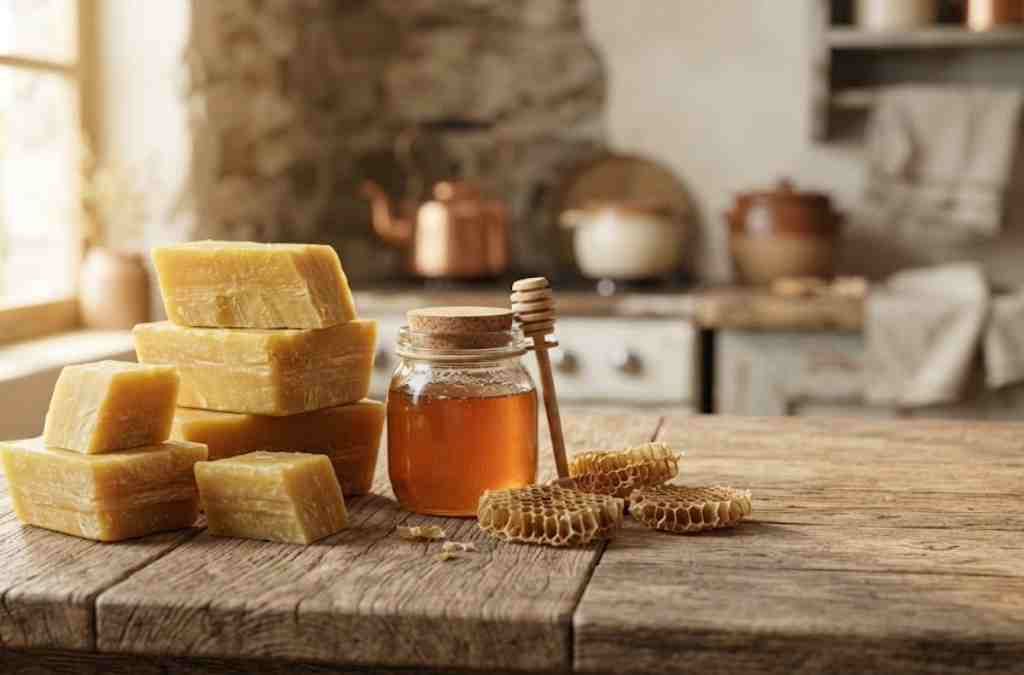
Regular honey goes through filtering and often heating before it reaches your kitchen. That process strips out a lot of the pollen, propolis, and tiny wax particles that come straight from the hive. Honeycomb skips all of that.
When you eat honeycomb, you’re getting:
This is really the foundation of every honeycomb benefits for health claim you’ll come across — it’s not just sweeter honey, it’s a small package of everything the bees produced together.
Once you understand what’s actually inside the comb, the benefits start to make a lot more sense. Here’s where the science and traditional use actually overlap.
Immune System Support
The pollen and propolis trapped in honeycomb wax are loaded with compounds bees use to protect the hive from bacteria and mold. When you eat it, your body picks up some of that same protection. Flavonoids and phenolic acids in raw honey act as antioxidants, helping neutralize the free radicals that wear down your immune defenses over time.
Heart Health and Cholesterol
One of the lesser-known honeycomb benefits for health involves the wax itself. Beeswax contains long-chain fatty acids and alcohols that have been linked to lower LDL, the “bad” cholesterol. Pair that with the antioxidants in raw honey, and you’ve got a combination that supports cleaner arteries and steadier blood pressure over time — not a cure, but a genuinely helpful addition to a heart-conscious diet.
Gut and Digestive Health
Raw honey carries natural enzymes, including glucose oxidase, which helps keep its pH low enough to discourage harmful bacteria. Some people use a small spoonful before meals to ease bloating or settle an upset stomach. The chewy wax, in small amounts, may also act mildly like a prebiotic, giving beneficial gut bacteria something to work with.
Skin Healing and Wound Care
This is where honeycomb quietly outperforms a lot of skincare products. Its antibacterial and anti-inflammatory properties make it useful for minor burns, cuts, and irritated skin when applied topically. Many people also mix crushed honeycomb into homemade masks or balms, since the natural humectants help pull moisture into the skin instead of letting it evaporate.
This is the part almost every other article skips completely. A safe, practical amount is around 1 to 2 tablespoons (15–30 grams) per day, roughly the size of a golf ball chewed slowly. That’s enough to get the antioxidant and antibacterial benefits without overloading your blood sugar, since honeycomb is still, at its core, concentrated sugar.
If you’re new to it, start with a smaller piece and see how your body reacts before working up to a full serving.
There’s no single “correct” way, but a few methods make the experience better and help you get the most out of it:
Swallowing the wax is fine for most people in small amounts — it passes through the digestive system largely undigested, similar to fiber. If it feels too tough to chew comfortably, spitting it out after the honey is gone works just as well.
Not everyone should reach for this without a second thought, and this is another gap most articles leave wide open.
None of this cancels out the honeycomb benefits for health for the average adult — it just means portion control and awareness matter, the same way they would with any concentrated natural food.
Honey itself basically never spoils, but honeycomb needs a little more attention because of the wax and pollen content.
Is it safe to eat the wax in honeycomb, or should I spit it out?
Yes, the beeswax is edible and safe for most healthy adults. It passes through your digestive system largely intact, similar to how fiber does, and doesn’t get broken down or absorbed. Some people enjoy chewing it like gum after the honey is gone, while others prefer to spit it out. Either choice is fine — you’re not missing out on major benefits by discarding the wax.
How is honeycomb different from bee pollen or propolis supplements?
Honeycomb naturally contains small traces of pollen and propolis within the wax and honey. However, it’s not concentrated the way standalone supplements are. If you’re specifically targeting allergy relief or immune support at a higher dose, dedicated bee pollen or propolis products deliver more of those compounds per serving. Honeycomb offers a milder, more balanced mix as part of everyday eating.
Can honeycomb help with seasonal allergies?
There’s a popular belief that local honey and honeycomb can reduce hay fever symptoms because of trace local pollen exposure, similar to how allergy shots work. The scientific evidence is mixed and not strong enough to call it a reliable treatment. It’s unlikely to hurt in normal amounts, but don’t rely on it as your only allergy strategy.
Does cooking or heating honeycomb destroy its health benefits?
Yes, to a large degree. High heat breaks down the natural enzymes and reduces the antioxidant content that makes raw honeycomb valuable in the first place. If you want the full honeycomb benefits for health, eat it raw or add it to foods after cooking. For example, try drizzling it over warm toast instead of baking it into something.
Is raw honeycomb actually better than store-bought processed honey?
In most practical ways, yes. Processed honey often goes through filtering and heating, which strips out pollen, enzymes, and some antioxidants along the way. Raw honeycomb retains more of its original nutritional profile. It also gives you the added wax compounds you simply won’t get from a squeeze bottle. The trade-off is shelf appearance and convenience, which processed honey wins on.





Y.S. Eco Bee Farms USA
Y.S. Eco Bee Farms USA is a trusted American wellness brand offering premium organic bee products. We provide pure, natural, and effective bee-based supplements made with sustainable sourcing and ethical beekeeping.
Y.S. ECo Bee Farms
Y.S. Organic Bee Farms
All Right Reserved Design By Example