- Discount up to 35% for first purchase only this month.
- sales@ysecobeefarmsusa.com
- (+1) 3252088500




$13.50
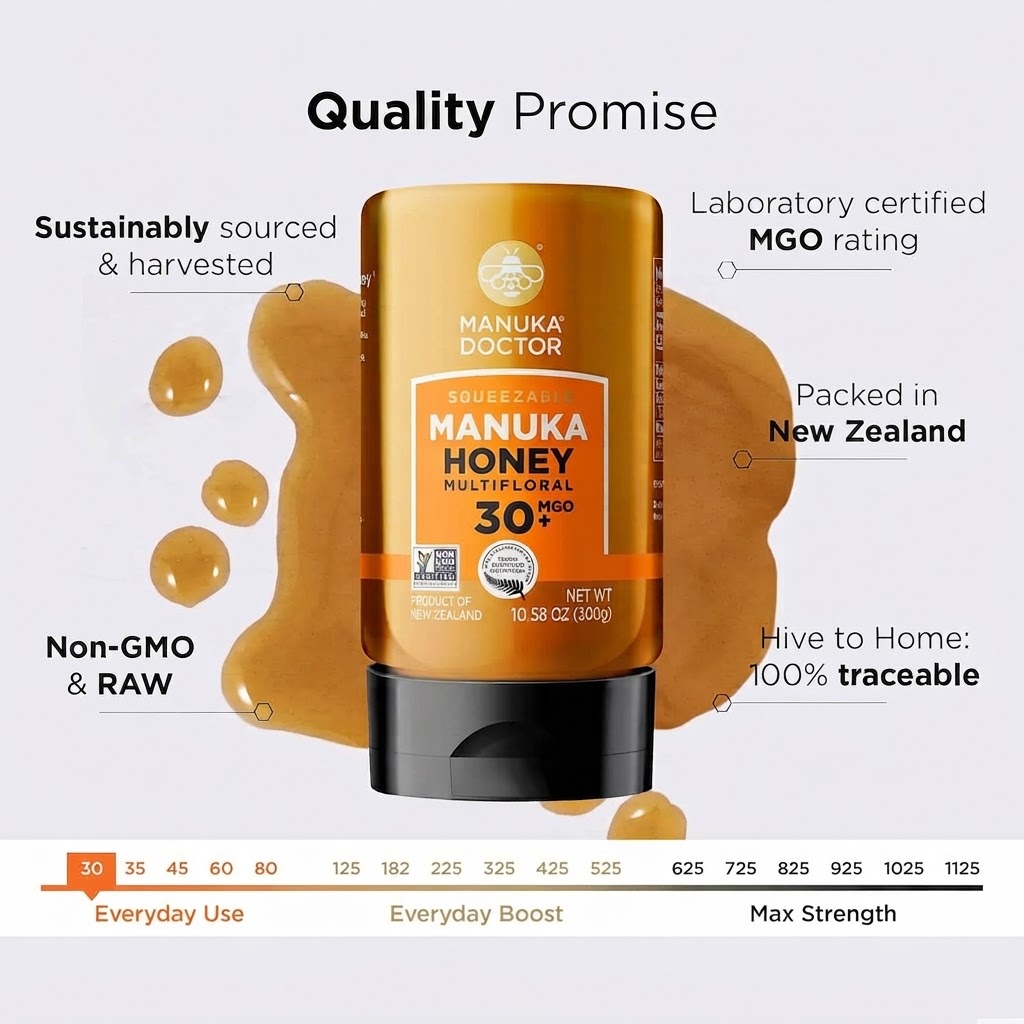
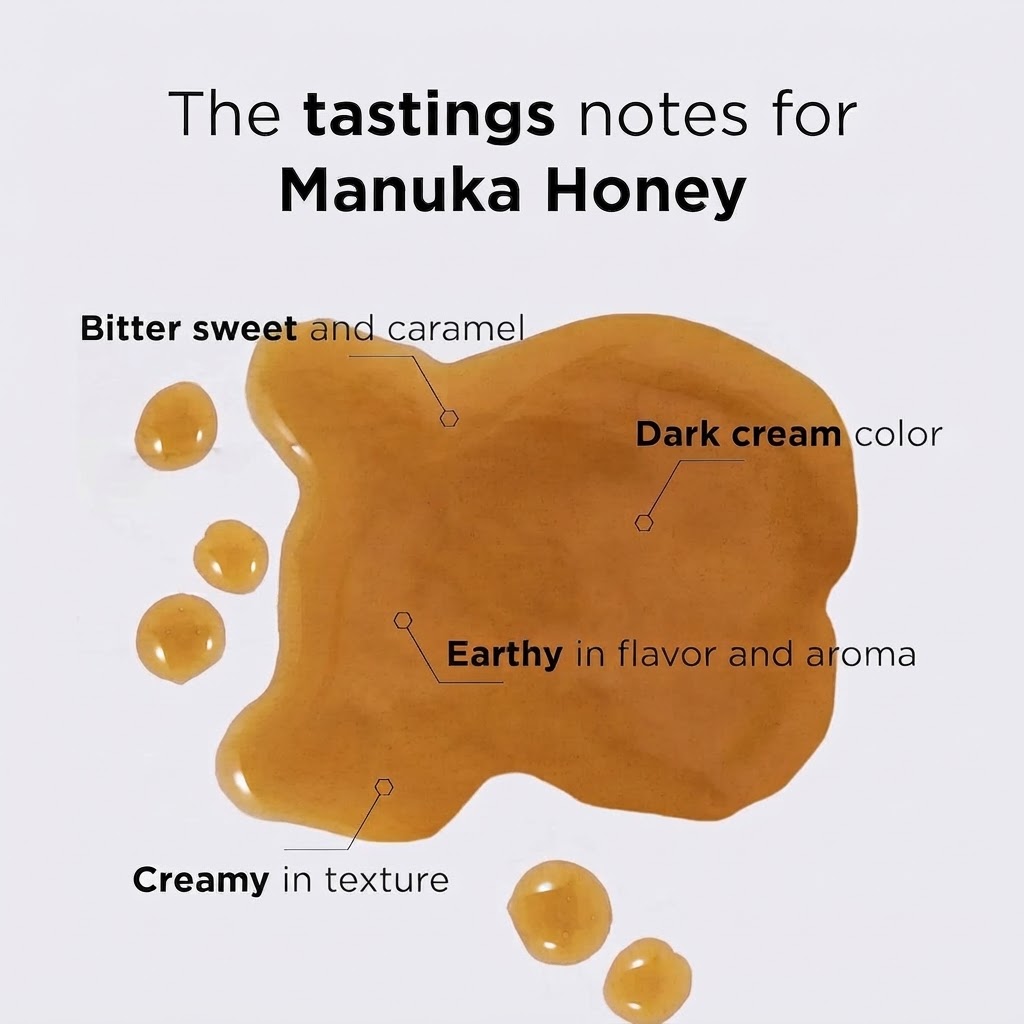
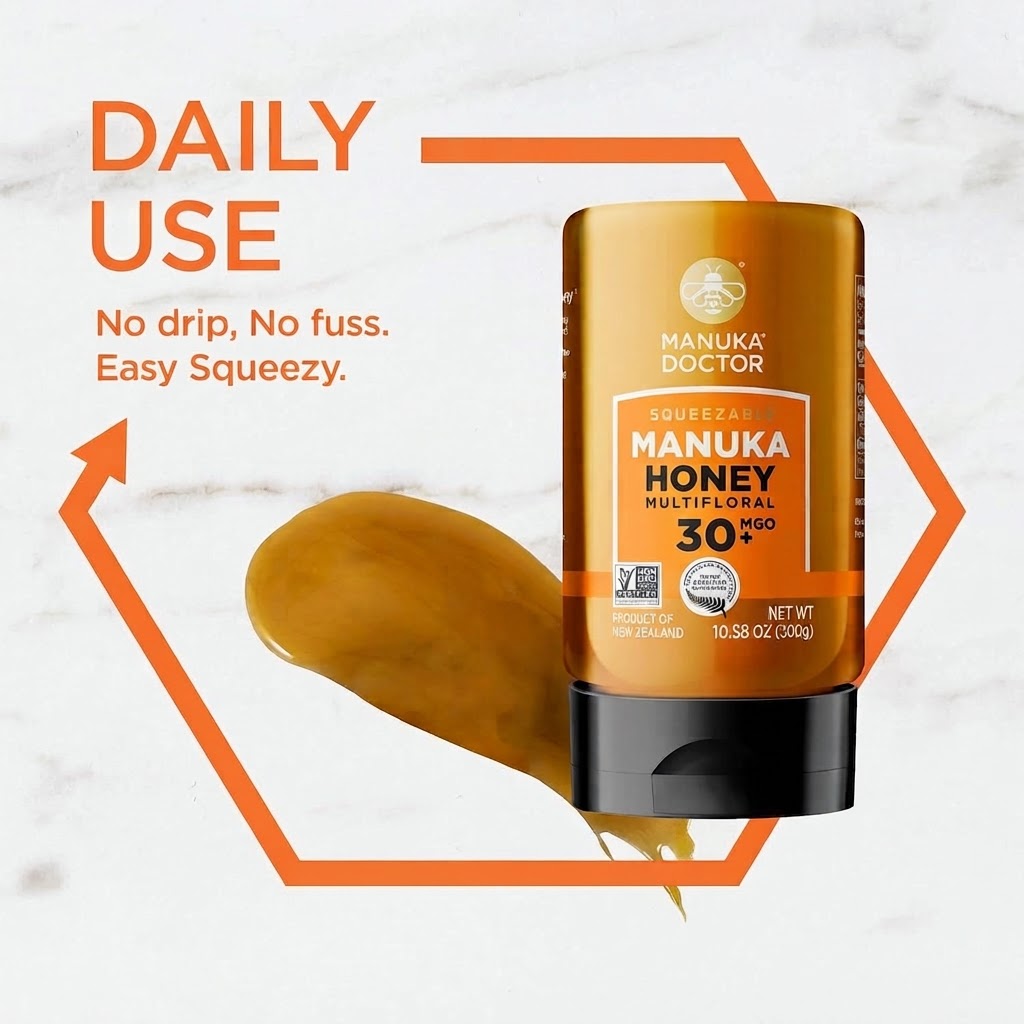
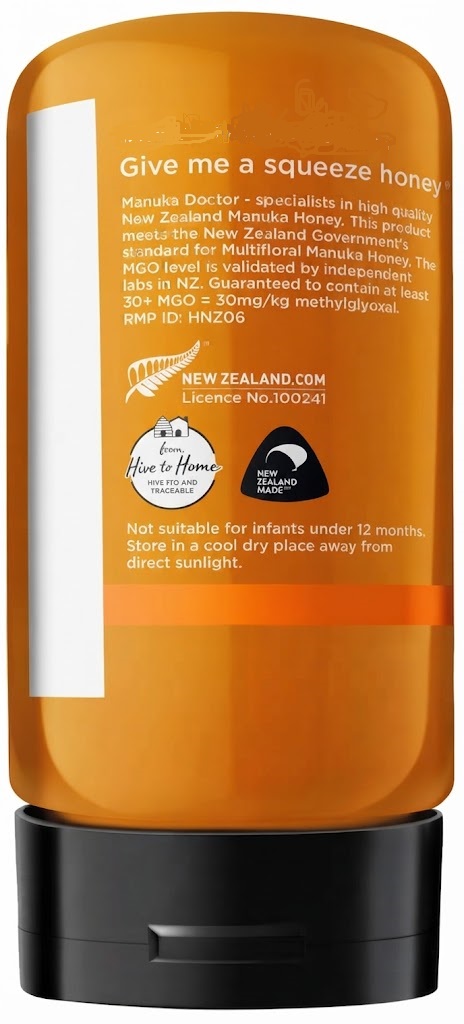
Experience the rich, earthy taste of Raw Manuka Honey MGO 30+ from Y.S. Eco Bee Farms USA. This premium honey is gathered from manuka blossoms, kept raw, and traceable from hive to jar, so you know exactly what you’re getting. It is non-GMO and free from unnecessary additives. The 10.58 oz squeezy bottle makes it easy to drizzle over toast, stir into tea, or swirl into yogurt without sticky spoons or messy jars. An MGO 30+ rating makes it a gentle, everyday choice for anyone who wants to add authentic manuka honey to a daily routine. Whether you’re upgrading your pantry, sweetening your morning cup, or gifting something special, this jar delivers quality you can taste.

Walk into any health store and the manuka shelf can feel confusing. Labels show numbers, letters, and bold claims that rarely come with explanations. This guide breaks down what matters, so you can buy with confidence. Y.S. Eco Bee Farms USA created it to help you read the label before you spend.
Manuka honey comes from bees that forage on the manuka bush, native to New Zealand and parts of Australia. MGO stands for methylglyoxal, a naturally occurring compound found in this type of honey. A higher number on the label means a higher concentration. The word “raw” means the honey has not been heavily heated or ultra-filtered, which helps it keep its natural character. Together, these details explain why Raw Manuka Honey MGO products stand apart from standard supermarket honey.
An MGO 30+ rating sits at the gentle end of the scale. Many shoppers assume higher always means better, but that isn’t true for everyday eating. Lower ratings suit daily spoonfuls, warm drinks, and cooking, while higher ratings usually cost much more. Here is a simple way to think about it:
Choosing a rating that fits your routine keeps your budget balanced and your honey enjoyable.
Manuka honey is one of the most frequently mislabeled honeys in the world because demand far outpaces supply. Traceability lets you follow a jar back to its origin, which protects you from imitation products. Non-GMO sourcing adds another layer of trust, since it signals a cleaner, more natural supply chain. Both qualities matter when you’re paying a premium for authenticity.
People choose this honey for its flavor and its long history of traditional use. It is not a medicine, and it doesn’t replace professional medical advice. Still, the everyday appeal is easy to see:
Traditional jars are beautiful, but they can be messy. A squeezy bottle solves that problem with controlled, drip-free pouring. You can drizzle exactly the amount you need, whether that’s a teaspoon for tea or a generous swirl over oatmeal. The 10.58 oz size also keeps a steady supply on hand without being bulky, and it travels easily to the office or gym bag.
Versatility is where this honey shines. Try these simple ideas:
Heat can reduce some of the delicate qualities of raw honey. Letting your tea cool for a few minutes before stirring it in is a smart habit.
A Simple Daily Serving
Most people enjoy one teaspoon to one tablespoon per day. Start small if the flavor is new to you, then adjust to your taste. People managing blood sugar should check with a healthcare professional first, since honey is still a natural sugar.
Fake and diluted products are common, so a quick checklist helps. When comparing any Raw Manuka Honey MGO product, look for these signs:
Prices that seem too good to be true usually are. Genuine manuka honey takes real effort to produce, and the price reflects it.
Keep the bottle in a cool, dry cupboard with the cap tightly closed. Refrigeration isn’t necessary and can speed up crystallization. If your honey thickens or crystallizes, that is a natural process and not a sign of spoilage. Place the bottle in a bowl of warm water for a few minutes to restore its smooth texture.
Is Raw Manuka Honey MGO 30+ good for daily use?
Yes, its milder rating makes it a popular choice for everyday eating. It blends easily into meals and drinks without an overpowering taste.
Can children eat it?
Children over 12 months can enjoy honey in moderation. Infants under one year should never be given honey because of the risk of infant botulism.
Does it need refrigeration?
No. A cool pantry is perfect, and the squeezy bottle keeps the honey protected between uses.

Y.S. Eco Bee Farms USA
Y.S. Eco Bee Farms USA is a trusted American wellness brand offering premium organic bee products. We provide pure, natural, and effective bee-based supplements made with sustainable sourcing and ethical beekeeping.
Y.S. ECo Bee Farms
Y.S. Organic Bee Farms
All Right Reserved Design By Example
Reviews
There are no reviews yet.