- Discount up to 35% for first purchase only this month.
- sales@ysecobeefarmsusa.com
- (+1) 3252088500

$50.00
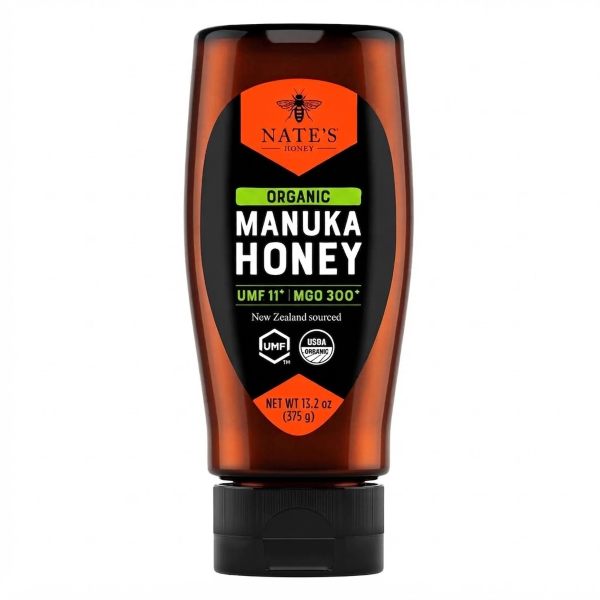
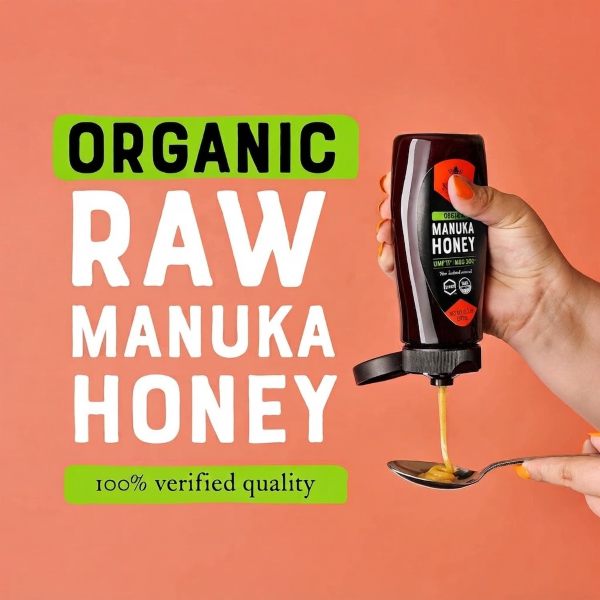
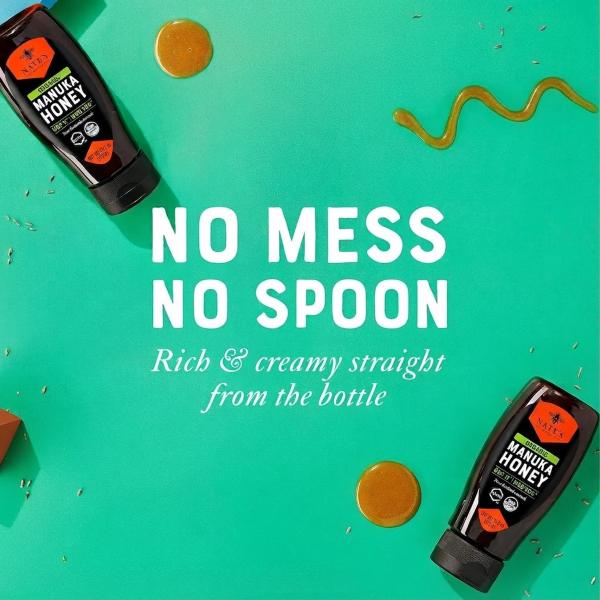
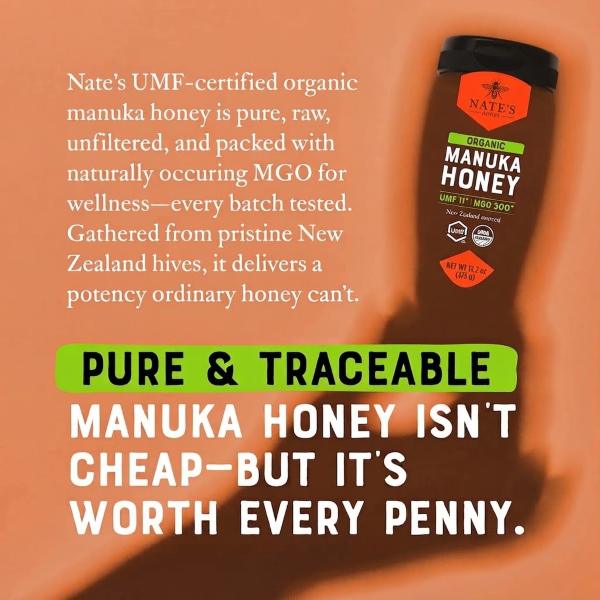
Nate’s Organic Manuka Honey – 13.2 oz Squeeze Bottle brings a premium superfood into everyday life. Made from organic manuka honey, it has a rich, earthy sweetness you won’t get from ordinary honey. The generous 13.2 oz size keeps your pantry stocked, and the squeeze bottle makes serving simple. Squeeze it over toast, oatmeal, yogurt, or into tea without sticky spoons or jar mess. It is easy to portion, easy to store, and easy to share. If you want a pure, organic sweetener with real character, this bottle delivers quality and convenience in one.

Manuka honey has moved from specialty shelves to everyday pantries, and shoppers now want clarity about what they are buying. If you are comparing jars, Nate’s Organic Manuka Honey – 13.2 oz squeeze bottle deserves a close look. This guide explains what manuka honey is, how to read a label, and how to get the most from every serving.
Manuka honey comes from bees that forage on the manuka bush, a flowering shrub native to New Zealand and parts of Australia. The nectar gives the honey a darker color, a thicker texture, and a bolder, slightly earthy taste. Because the flowering season is short and the plant grows in remote areas, true manuka honey is produced in smaller quantities than most varieties, which is why it costs more.
Choosing a honey comes down to quality, convenience, and value. Here is how this option stacks up:
Manuka honey labels can be confusing, so a quick education pays off.
Check the Certification and Origin
Look for clear information about where the honey was produced and whether it carries organic certification. Transparent labeling is a good sign of a trustworthy brand.
Understand the Grading Numbers
Many manuka products display a grading such as UMF or MGO, which reflects the concentration of certain natural compounds. Higher numbers usually mean a higher price. When you review Nate’s Organic Manuka Honey – 13.2 oz, check the bottle or product page for its specific grading, since ratings differ from one product to another. Choose based on how you plan to use it, not on the biggest number alone.
Manuka honey is far more than a spoonful-from-the-jar treat. The squeeze bottle makes each of these uses quick:
Because Nate’s Organic Manuka Honey – 13.2 oz comes in a squeeze bottle, you can add exactly the amount a recipe calls for without measuring spoons.
Manuka Yogurt Bowl
Spoon plain yogurt into a bowl, then top with berries, chopped walnuts, and a slow drizzle of honey. Finish with a pinch of cinnamon for a breakfast that feels like dessert.
Warm Honey Lemon Drink
Pour hot water over a slice of lemon and a few thin ginger slices. Wait a minute or two, then stir in a squeeze of honey. Waiting matters because very hot water can dull the honey’s delicate flavor.
Sticky Manuka Glaze
Combine honey, soy sauce, garlic, and a splash of rice vinegar. Brush the mixture over vegetables or fish before roasting for a glossy, caramelized finish.
Honey keeps well, but good habits protect its flavor and texture. Store the bottle in a cool, dry cupboard away from the stove and direct sunlight. Keep the cap closed tightly and wipe the nozzle after use so residue does not build up. If the honey crystallizes over time, that is a natural process and not a sign of spoilage. Set the bottle in a bowl of warm water for several minutes and it will loosen up. Avoid the microwave, which can overheat the honey and alter its taste.
This size suits households that use honey often, whether in morning tea, baking, or cooking. Nate’s Organic Manuka Honey – 13.2 oz works well for families, meal preppers, and anyone who wants a dependable staple instead of a rarely opened specialty jar. Solo shoppers who use honey occasionally can still enjoy it, because honey stores well for a long time when sealed.
Can children eat manuka honey?
Honey should never be given to infants under 12 months because of the risk of infant botulism. For older children, it can be part of a balanced diet in moderation.
Is manuka honey a healthier sugar swap?
Honey is still a form of sugar, so portion control matters. People managing blood sugar or a medical condition should talk with a healthcare professional before changing their diet.
Does organic honey taste different?
Flavor depends mostly on the floral source and processing. Manuka is known for a rich, robust profile that stands out from milder clover or wildflower honey.
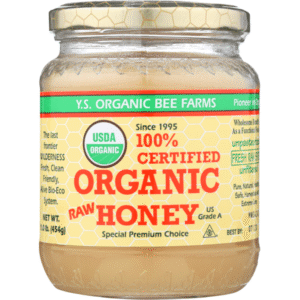
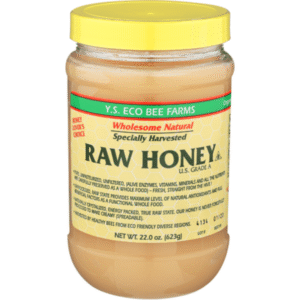
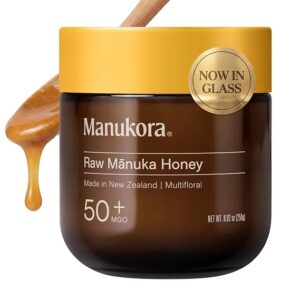
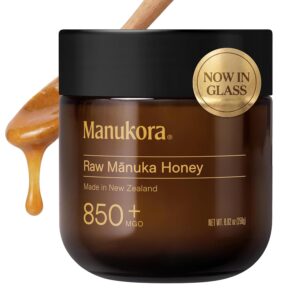
Y.S. Eco Bee Farms USA
Y.S. Eco Bee Farms USA is a trusted American wellness brand offering premium organic bee products. We provide pure, natural, and effective bee-based supplements made with sustainable sourcing and ethical beekeeping.
Y.S. ECo Bee Farms
Y.S. Organic Bee Farms
All Right Reserved Design By Example
Reviews
There are no reviews yet.