- Discount up to 35% for first purchase only this month.
- sales@ysecobeefarmsusa.com
- (+1) 3252088500
$31.00
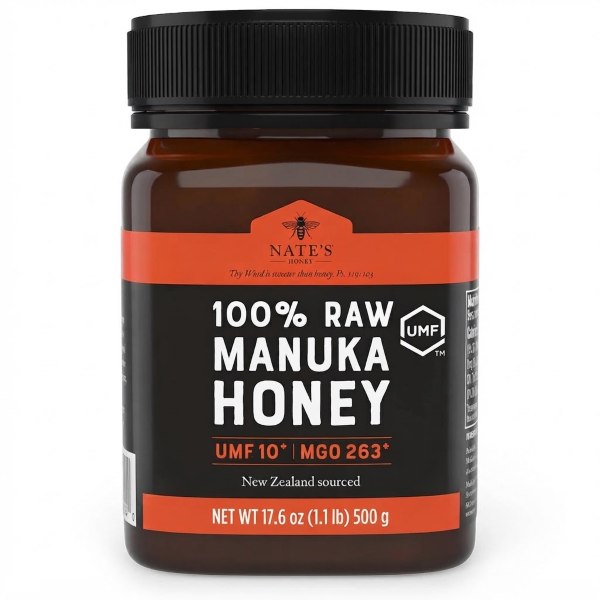
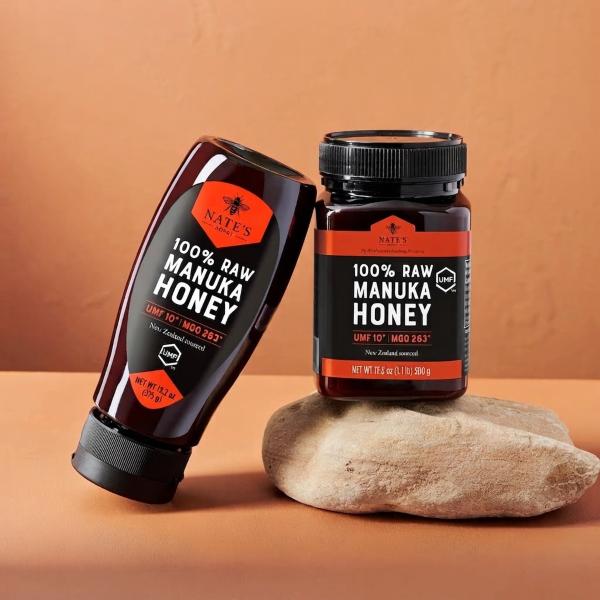
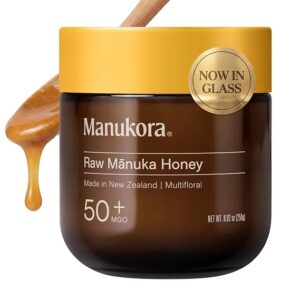
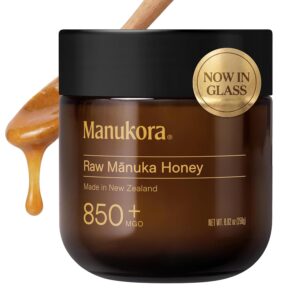
Some jars just taste like they were worth the wait. Nate’s Manuka Honey brings you thick, golden-amber honey with a rich, earthy-sweet flavor and a velvety texture that sets it apart from ordinary table honey. It comes from the nectar of the manuka bush and is a natural, single-ingredient sweetener you can feel good about.

If you want a honey that’s as satisfying on a spoon as it is in a cup of tea, Nate’s Manuka Honey deserves a spot in your pantry. Manuka honey has moved from a niche specialty item to a kitchen staple for many households. This guide covers what makes it special, how to use it, and how to choose a jar with confidence.
Bees make manuka honey from the nectar of the manuka bush (Leptospermum scoparium), which grows mainly in New Zealand and parts of Australia. Compared with clover or wildflower honey, it is darker, thicker, and more complex in flavor.
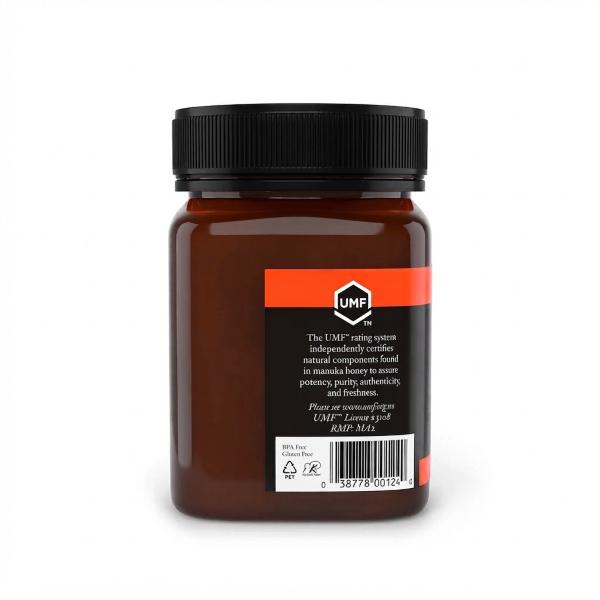
Scientists have studied a naturally occurring compound in manuka honey called methylglyoxal (MGO). Grading systems such as MGO and UMF exist because the concentration of these compounds varies from batch to batch.
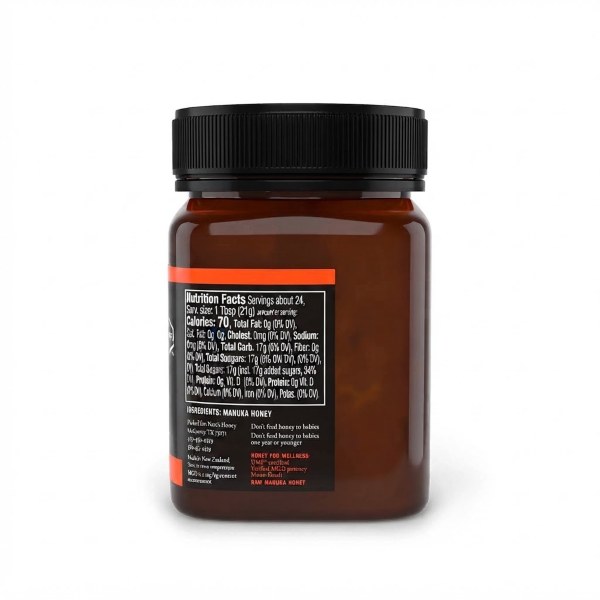
Nate’s Manuka Honey comes in a 17.6 oz jar (about 500 grams), which suits people who reach for honey every day. Here’s what stands out:
How Long Does a 17.6 oz Jar Last?
At one teaspoon a day, a jar lasts about ten weeks. Use it more freely in cooking and it will disappear faster, which is why the larger size makes sense for regular users.
Honey has been used as a natural remedy for centuries, and manuka honey has attracted the most research attention. Keep in mind that most studies look at medical-grade or specific-grade products, so results don’t automatically apply to every jar.
This article is for information only and isn’t medical advice. Talk to a healthcare professional about specific health concerns.
Nate’s Manuka Honey works in more places than most people expect.
In the Kitchen
In a Soothing Drink
Stir a teaspoon into warm (not boiling) water or herbal tea, with a squeeze of lemon if you like. Very hot liquid can dull the honey’s delicate flavor and some of its natural compounds, so let the drink cool a little first.
As Part of a Skincare Routine
Many people apply a thin layer of honey to clean skin for a few minutes as a simple mask, then rinse with warm water. Do a small patch test first to check for sensitivity.
Not every jar labeled “manuka” is created equal, so check these points before you buy:
Use this checklist when you compare Nate’s Manuka Honey with other brands, and check the product page for the grading and sourcing details.
Crystallization is natural and doesn’t mean the honey has gone bad. Honey stored properly can last for years.
Is Nate’s Manuka Honey suitable for everyday use?
For most healthy adults, yes. A teaspoon or two a day is a common serving, and it counts toward your daily added sugar.
What is the best way to eat it?
Straight from the spoon, stirred into tea, or drizzled over yogurt and toast. All of them let the flavor come through.
Does manuka honey expire?
Honey has a very long shelf life when stored well. Most jars carry a best-by date for quality, not safety.
Can I cook with it?
You can, but gentle heat preserves the most flavor. Drizzling it over finished dishes is a good approach.
Y.S. Eco Bee Farms USA
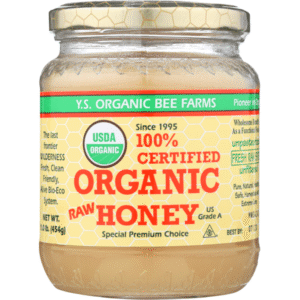
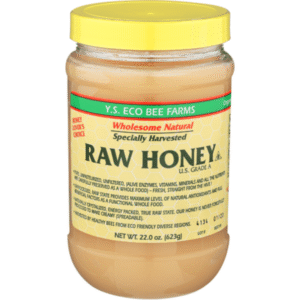
Y.S. Eco Bee Farms USA is a trusted American wellness brand offering premium organic bee products. We provide pure, natural, and effective bee-based supplements made with sustainable sourcing and ethical beekeeping.
Y.S. ECo Bee Farms
Y.S. Organic Bee Farms
All Right Reserved Design By Example
Reviews
There are no reviews yet.