- Discount up to 35% for first purchase only this month.
- sales@ysecobeefarmsusa.com
- (+1) 3252088500

$34.95
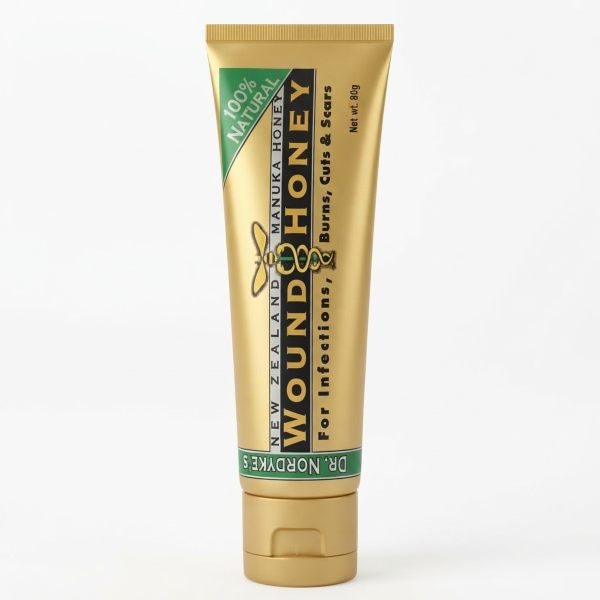
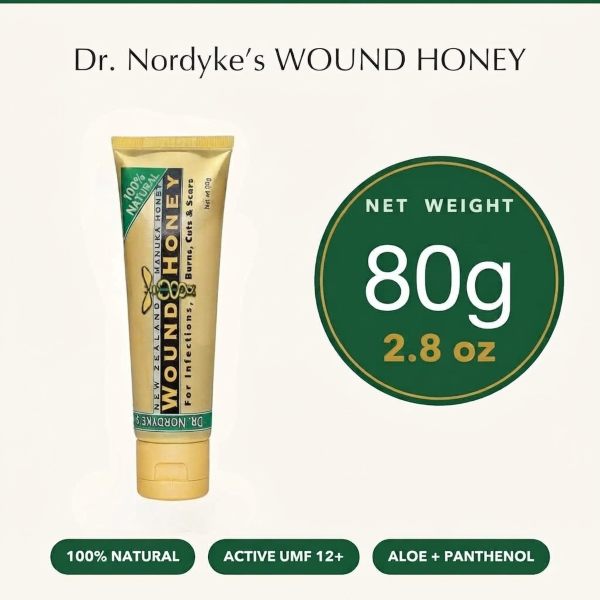
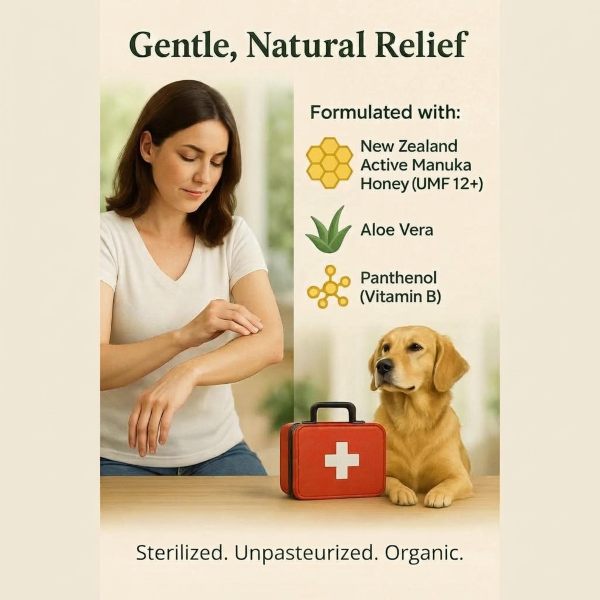
Give minor wounds the gentle, natural support they deserve with Manuka Wound Honey Ointment. This 2.8oz tube combines medical-grade manuka honey with a soothing ointment base. It creates a moist healing environment that helps protect cuts, scrapes, and minor burns. Manuka honey is prized for its natural antibacterial properties, so every application helps keep the area clean while the skin does its work. The thick, easy-to-spread formula stays where you put it, helping reduce dressing changes and discomfort. It is suitable for the whole family and works well in first aid kits, travel bags, and kitchen drawers. The 2.8oz size gives you generous coverage for repeated use without the waste of a bulky jar. Whether you are a parent patching up scraped knees, an outdoor enthusiast, or someone who wants a natural alternative for everyday skin mishaps, this ointment is a dependable, mess-free choice. Simply clean the area, apply a thin layer, cover with a sterile dressing, and let the honey do the rest.

Honey has been used on wounds for thousands of years, from ancient Egyptian remedies to modern hospital dressings. Today, one variety stands above the rest for skin care: manuka honey, produced by bees that forage on the manuka bush in New Zealand and Australia. If you want a natural, evidence-informed addition to your first aid routine, this guide explains what to know before you buy.
Manuka Wound Honey Ointment is a topical product that blends medical-grade manuka honey with a supportive base, making it easy to apply and hold in place. Unlike the honey in your pantry, medical-grade honey is sterilized and standardized for consistent quality. That distinction matters, because raw table honey is not designed for use on broken skin.
Researchers believe the benefits of Manuka Wound Honey Ointment come from several natural properties working together:
Key Benefits at a Glance
This type of ointment suits everyday skin injuries that do not need professional treatment. Parents often reach for it after playground tumbles, while hikers and gardeners appreciate it for scratches and blisters.
Common Uses
For deep, puncture, or heavily bleeding wounds, skip home care and seek medical attention.
Good technique makes a real difference to results. Follow these steps:
A small amount goes a long way. Using too much simply wastes product and can make dressings messy.
Not every honey-based ointment delivers the same value. When shopping for Manuka Wound Honey Ointment, look closely at the label and the seller’s transparency.
Buying from a trusted retailer also lowers the risk of diluted or counterfeit honey, which is a known problem in the manuka market.
The 2.8oz tube of Manuka Wound Honey Ointment hits a practical sweet spot. It holds enough for several treatments, so you will not run out after one minor scrape. It is also compact enough for a backpack, glove box, or travel kit. A tube keeps the contents hygienic, because you squeeze out what you need rather than dipping fingers into a jar. For households with children, that cleanliness is a genuine advantage.
Natural does not mean risk-free. Keep these precautions in mind:
This ointment is intended for minor wounds and is not a replacement for professional treatment of serious injuries.
Y.S. Eco Bee Farms USA
Y.S. Eco Bee Farms USA is a trusted American wellness brand offering premium organic bee products. We provide pure, natural, and effective bee-based supplements made with sustainable sourcing and ethical beekeeping.
Y.S. ECo Bee Farms
Y.S. Organic Bee Farms
All Right Reserved Design By Example

Reviews
There are no reviews yet.