- Discount up to 35% for first purchase only this month.
- sales@ysecobeefarmsusa.com
- (+1) 3252088500


$9.44
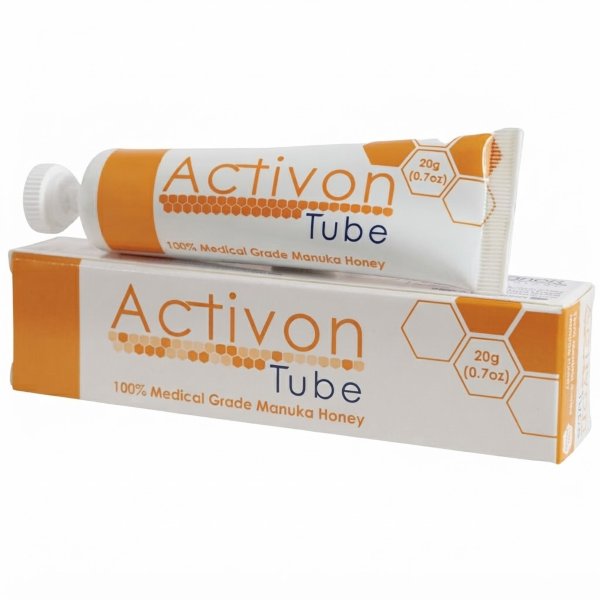
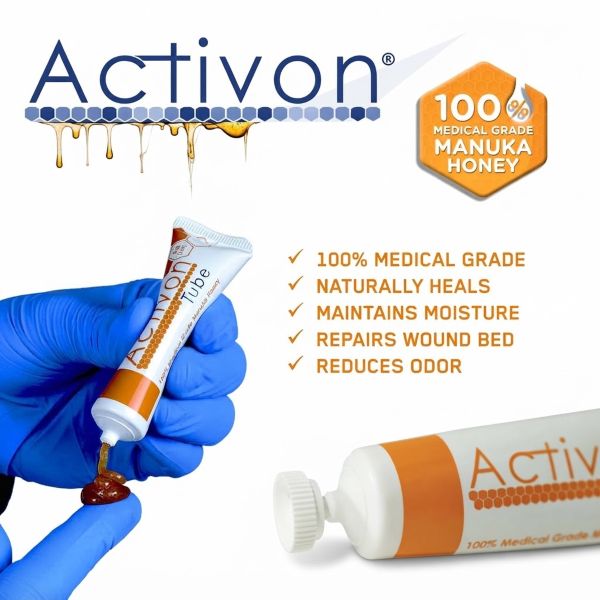
Give your first-aid kit a natural upgrade with this 100% Manuka Honey Gel Tube. Sourced from Manuka blossom nectar, this gel is known for its natural antibacterial qualities and its ability to keep skin moist and protected. The mess-free 20g tube spreads smoothly, stays where you put it, and never drips like jar honey. It suits minor cuts, scrapes, small burns, and dry or irritated skin. It is easy to pack for travel, hiking, school, or the office. With no harsh additives and a gentle formula, it fits the whole family’s everyday skin care routine.

Looking for a gentle, natural way to look after minor cuts and scrapes? A Manuka Honey Gel Tube Natural Healing of Wounds product is a simple option worth knowing about. People have valued honey for skin care for centuries, and Manuka honey from New Zealand and Australia has become the most researched variety. This guide explains how it works, how to use it, and what to check before you buy.
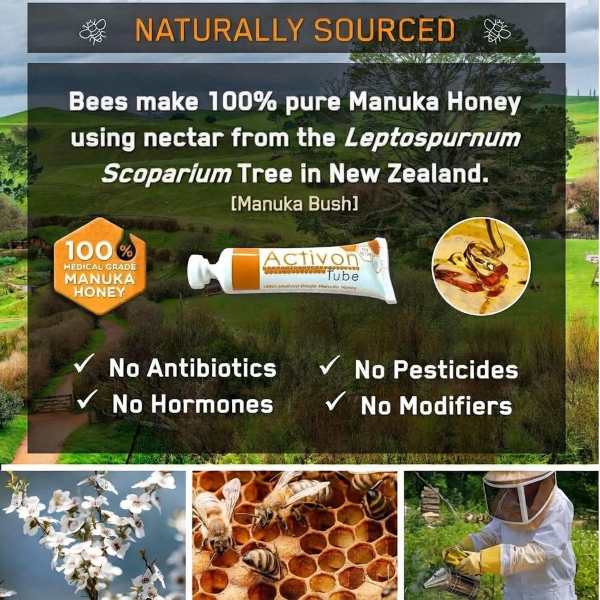
Bees produce Manuka honey from the nectar of the Manuka bush (Leptospermum scoparium). Its distinctive quality comes from methylglyoxal (MGO), a compound found in much higher concentrations than in ordinary honey. Researchers link MGO to the honey’s strong antibacterial behavior. Manuka honey also contains natural sugars, enzymes, and trace nutrients that make it thick and sticky.
Skin repair works best in a clean, moist, protected environment. Manuka honey helps in several ways:
Medical-grade Manuka honey is already used in some professional wound dressings. Over-the-counter gels bring the same idea into everyday home care.
Raw honey from a jar is messy, runny, and hard to keep sterile. A 20g Manuka Honey Gel Tube Natural Healing of Wounds format solves those problems. You squeeze out the exact amount you need, and the tube keeps the rest sealed away from fingers and air. The gel texture also stays in place on the skin, so it does not slide off the moment you move.
Portability is another advantage. A small tube slips into a handbag, gym bag, glove box, or camping kit without fuss.
Follow these simple steps for everyday minor skin concerns:
Keep the tube cap tightly closed after each use. Never touch the nozzle to broken skin, as this can introduce bacteria.
Shopping for a Manuka Honey Gel Tube Natural Healing of Wounds product can feel confusing because labels vary widely. Check these points first.
Purity and Ingredients
Look for “100% Manuka honey” on the front of the pack, with a short ingredient list. Avoid products padded with fillers, artificial fragrance, or unnecessary additives.
UMF or MGO Rating
Reputable brands display a UMF or MGO grade. A higher number means a higher concentration of active compounds. Without any rating, you cannot verify the quality.
Packaging and Origin
A sealed, tamper-evident tube protects hygiene. Clear origin information, ideally from a certified New Zealand or Australian producer, adds trust.
Brand Transparency
Trusted sellers share batch details, testing information, and storage instructions. If a brand hides all of this, consider choosing another.
Even the best Manuka Honey Gel Tube Natural Healing of Wounds product is not suitable for everyone or every injury. Take extra care in these situations:
Manuka honey is a supportive home-care product. It does not replace medical treatment.
Can I use Manuka honey gel on my face?
Many people use it on small blemishes or dry patches. Test a small spot first, and avoid the eye area.
How should I store the tube?
Keep it in a cool, dry place away from direct sunlight. There is no need to refrigerate it.
Is a Manuka Honey Gel Tube Natural Healing of Wounds safe for children?
It is generally gentle for minor scrapes in children over one year old. Never give honey products to infants under 12 months, and ask a pediatrician if you are unsure.
How often can I apply it?
Most users apply a thin layer once or twice daily with a fresh dressing each time. Follow the directions on your product’s label.
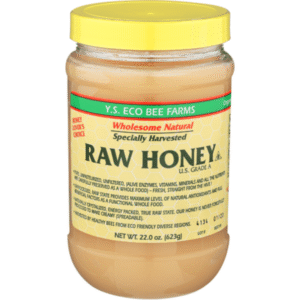
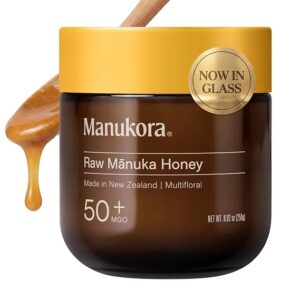
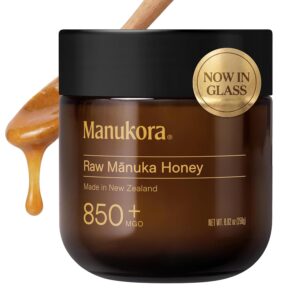
Y.S. Eco Bee Farms USA
Y.S. Eco Bee Farms USA is a trusted American wellness brand offering premium organic bee products. We provide pure, natural, and effective bee-based supplements made with sustainable sourcing and ethical beekeeping.
Y.S. ECo Bee Farms
Y.S. Organic Bee Farms
All Right Reserved Design By Example
Reviews
There are no reviews yet.