- Discount up to 35% for first purchase only this month.
- sales@ysecobeefarmsusa.com
- (+1) 3252088500

$11.99
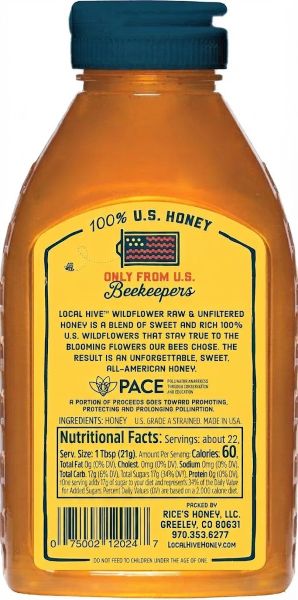
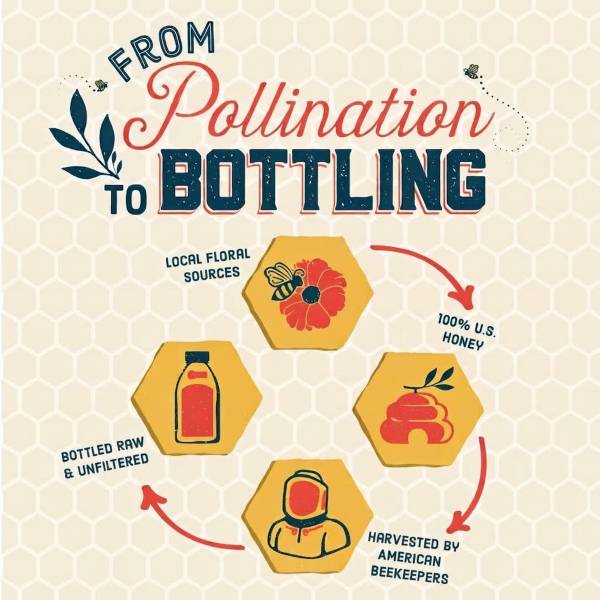
Meet honey the way nature intended. Local Hive Wildflower Raw & Unfiltered Honey is made from nectar that bees gather from a wide variety of blooms. It has a smooth, floral sweetness that shifts subtly with every harvest. Because it is raw and unfiltered, it is never pasteurized or heavily processed, so natural pollen traces and full character stay in the jar. Sourced as 100% US honey, it offers a clear origin and supports American beekeepers. The 16 oz jar suits daily use. Stir it into tea, drizzle it over yogurt or toast, whisk it into dressings, or swap it for refined sugar in baking. Every spoonful has a golden, mellow flavor the whole family will enjoy.

Walk down any grocery aisle and you’ll find dozens of honey bottles, yet few explain what is actually inside. Many are heated, filtered, and blended until they lose the character that makes honey special. If you want something closer to what bees actually make, Local Hive Wildflower Raw & Unfiltered Honey is a smart place to start. This guide explains what the label means, how the honey tastes, and how to get the most from every 16 oz jar.
Wildflower honey, sometimes called polyfloral honey, comes from bees foraging on many blooming plants rather than a single crop. Clover, goldenrod, dandelion, and countless field flowers all contribute. Because the mix changes with season and region, no two harvests taste exactly alike. Expect a balanced, floral sweetness with subtle fruity or earthy notes.
That variety is the charm. Single-source honeys like orange blossom or buckwheat have a fixed profile, while wildflower offers a rounded flavor that suits almost any recipe.
Raw Honey
Honey is not pasteurized. It is gently strained at most, which leaves natural enzymes, pollen traces, and propolis fragments intact.
Unfiltered Honey
Unfiltered honey skips the fine filtration that strips out pollen and tiny wax particles. Commercial filtering produces a crystal-clear look and a long shelf life, but it also removes much of what gives honey its full character.
In short, a truly raw and unfiltered jar will typically show these traits:
Honey labeling can be confusing. Some imported blends combine honey from several countries, and the true origin is not always obvious on the shelf. A “100% US” statement makes traceability easier and supports domestic beekeepers, who face real pressure from bee losses and cheaper imports. With Local Hive Wildflower Raw & Unfiltered Honey, you get that origin clarity along with a product that stays close to its natural state.
Expect a smooth, golden-amber pour with a fresh floral aroma. The flavor of Local Hive Wildflower Raw & Unfiltered Honey is mellow rather than sharp, so it works well for people who find darker honeys too strong. Its texture may feel thicker than a supermarket squeeze bottle, since nothing has been over-processed to make it thin and glossy.
Honey is mostly sugar, but it also carries small amounts of antioxidants such as phenolic compounds and flavonoids. Research suggests less-processed honeys tend to retain more of these. Still, honey is not a medicine, so think of it as a higher-quality sweetener rather than a cure. Many people enjoy a spoonful in warm tea to soothe a scratchy throat, and studies have looked at honey for cough relief in older children and adults.
A 16 oz jar goes further than you might expect. Try these ideas:
Pro tip: Add honey after cooking, or once drinks have cooled slightly, to protect its delicate aroma.
Storage Basics
Keep the jar tightly sealed in a cool, dry cupboard. Skip the refrigerator, because cold temperatures speed up crystallization.
Fixing Crystallized Honey
Because Local Hive Wildflower Raw & Unfiltered Honey is minimally processed, it may thicken or turn grainy after a few weeks. That is a natural sign of authenticity, not spoilage. To restore a smooth texture, set the jar in warm (not boiling) water for 15 to 20 minutes and stir gently. Microwaving is best avoided, since overheating can dull the flavor.
Not every jar on the shelf tells the full story. Use this quick checklist when comparing brands:
Measured against this list, Local Hive Wildflower Raw & Unfiltered Honey appeals to shoppers who care about sourcing and minimal processing.
Never give honey to infants under 12 months, due to the risk of infant botulism. People with pollen allergies, diabetes, or sugar-restricted diets should check with a healthcare professional first.
Is raw honey healthier than regular honey?
Raw honey generally keeps more of its natural compounds because it avoids high heat. Both types are still sugar, so moderation matters.
Does raw honey expire?
Stored properly, honey can last for years. Its color may darken and its flavor may deepen slowly, yet it remains safe to eat.
Can I bake with Local Hive Wildflower Raw & Unfiltered Honey?
Yes. It works beautifully in muffins, granola, glazes, and sauces. Its gentle floral notes complement fruit and spices without overpowering them.
Is cloudy honey normal?
Absolutely. Cloudiness usually comes from natural pollen and fine particles, which is exactly what unfiltered honey is meant to contain.
Y.S. Eco Bee Farms USA
Y.S. Eco Bee Farms USA is a trusted American wellness brand offering premium organic bee products. We provide pure, natural, and effective bee-based supplements made with sustainable sourcing and ethical beekeeping.
Y.S. ECo Bee Farms
Y.S. Organic Bee Farms
All Right Reserved Design By Example
Reviews
There are no reviews yet.