- Discount up to 35% for first purchase only this month.
- sales@ysecobeefarmsusa.com
- (+1) 3252088500
$23.50
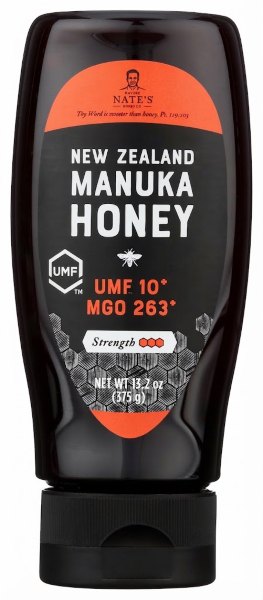
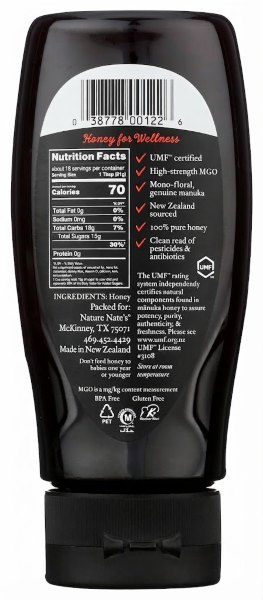
Honey Manuka 263 MGO is a premium, lab-graded honey made from the nectar of wild manuka blossoms. With 263+ mg/kg of methylglyoxal (MGO), roughly equal to UMF 10+, it offers a balanced strength for daily use. Its flavour is rich and earthy-sweet, and its texture is thick and creamy.
Why you’ll love it:

Walk into any health store and you’ll spot jars with mysterious numbers printed beside the word manuka. Those numbers matter a great deal. This guide explains what honey manuka 263 MGO really means, why shoppers prize it, and how to enjoy every spoonful.
Honey manuka is produced by bees that forage on the flowers of the manuka bush (Leptospermum scoparium), native to New Zealand and parts of Australia. The flowering window lasts only a few weeks, so harvests are naturally limited. That scarcity, along with the honey’s unusual chemistry, explains its premium price.
Ordinary floral honey lacks one key compound found in manuka. Methylglyoxal (MGO) forms from dihydroxyacetone, a substance present in manuka nectar. A higher MGO reading generally signals a more potent and carefully graded product.
The number shows the milligrams of methylglyoxal per kilogram of honey, confirmed through laboratory testing. At 263 mg/kg, a jar sits at roughly UMF 10+, one of the most popular grades worldwide.
Here is how the common grades compare:
Most households find the middle grade gives the best balance of quality and cost. Buyers who simply want a dependable everyday jar rarely need to pay for the highest tier.
Research into manuka is ongoing, and no honey replaces professional medical care. Even so, several uses have earned a loyal following:
Important: people with diabetes or pollen allergies should check with a doctor before adding it to their diet. Babies under 12 months must never be given any type of honey.
Consistency matters more than quantity. One to two teaspoons a day is a sensible range for most adults.
Easy everyday ideas
Simple honey face mask
Apply a thin layer to clean, dry skin. Leave it for 10 to 15 minutes, then rinse with lukewarm water. Patch test on your inner arm first to rule out irritation.
Diluted and mislabelled products exist, so a careful look at the jar pays off. Use this checklist before you buy:
Store the jar in a cool, dark cupboard with the lid tightly closed. Always use a clean, dry spoon, because moisture can encourage spoilage. Refrigeration is unnecessary and makes the honey harder to spoon.
Crystallisation is completely natural and does not mean the honey has gone off. If you prefer a smoother texture, place the sealed jar in a bowl of warm water for a few minutes. Kept properly, unopened jars stay in good condition for years.
Is a higher MGO always better?
Not necessarily. Stronger grades cost considerably more, and a mid-range jar works well for daily use.
Can children eat it?
Children over 12 months can have small amounts. Younger babies should avoid all honey.
Does it need to be eaten raw?
Raw use preserves the most character, but gentle warmth in tea is fine.
For most people, yes. The grade is tested, the flavour is distinctive, and the uses stretch from breakfast tables to bathroom shelves. Cost per serving stays modest because a single teaspoon goes a long way.
Whether you’re new to premium honey or upgrading your pantry, honey manuka 263 MGO offers a trustworthy balance of strength, taste and price. Choose a certified, batch-traceable jar from a reputable seller, and make it part of your daily routine.
Y.S. Eco Bee Farms USA
Y.S. Eco Bee Farms USA is a trusted American wellness brand offering premium organic bee products. We provide pure, natural, and effective bee-based supplements made with sustainable sourcing and ethical beekeeping.
Y.S. ECo Bee Farms
Y.S. Organic Bee Farms
All Right Reserved Design By Example

Reviews
There are no reviews yet.