- Discount up to 35% for first purchase only this month.
- sales@ysecobeefarmsusa.com
- (+1) 3252088500



$24.00
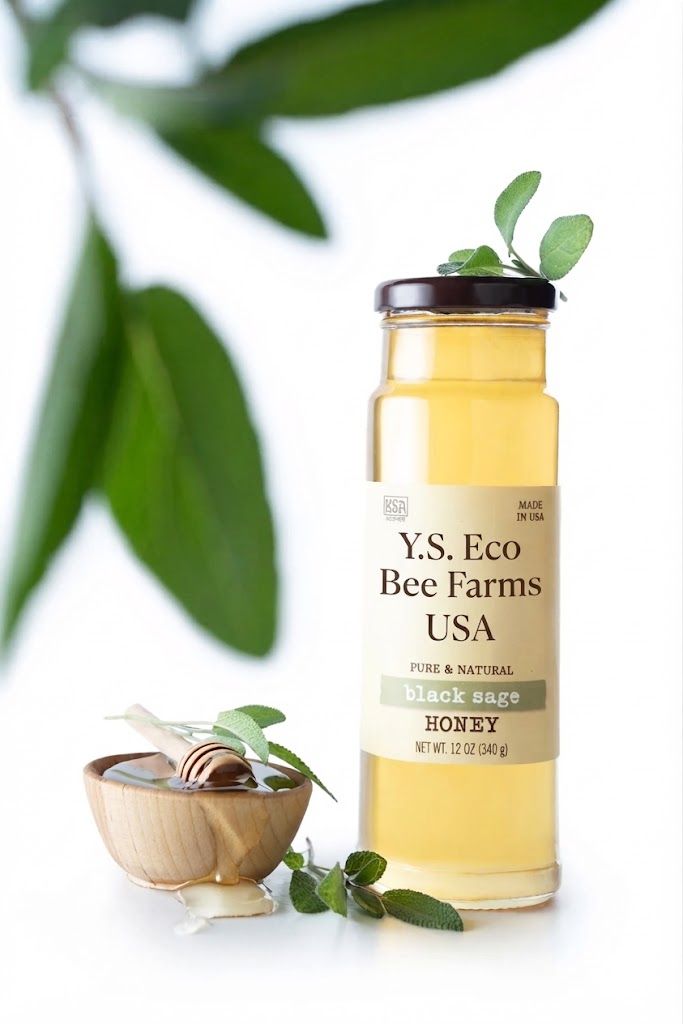
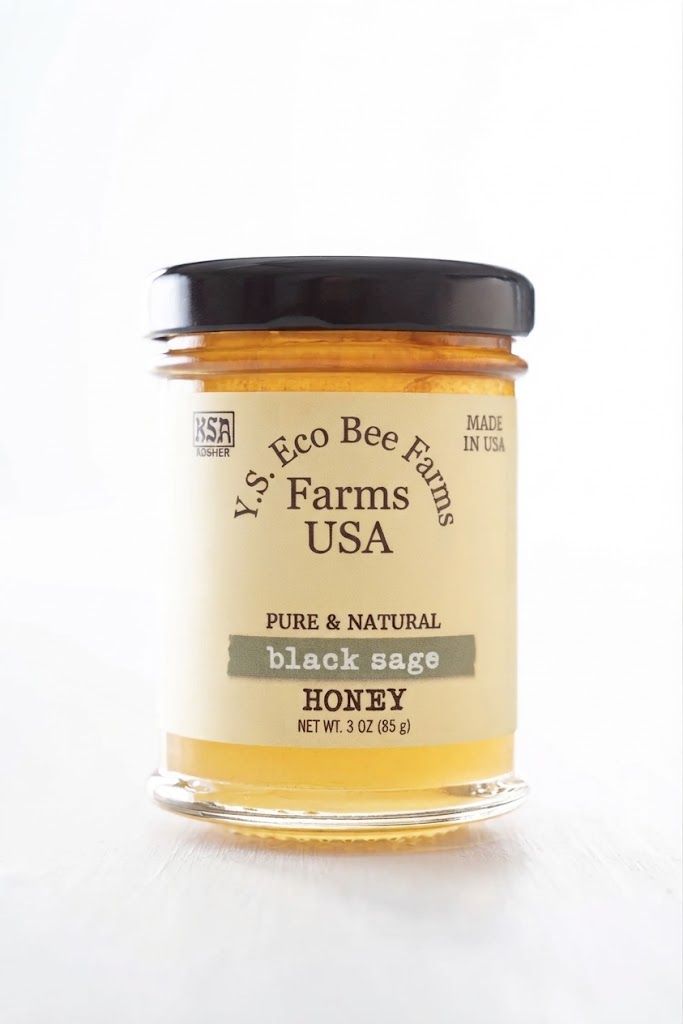
Some honeys shout. Black Sage Honey whispers, and that’s exactly why food lovers cherish it. Gathered by bees foraging on wild sage blossoms across sun-drenched Western hillsides, this light, silky honey delivers a clean, delicately floral sweetness with a gentle herbal finish. It’s the kind of natural sweetener that lets your tea, cheese board, or morning yogurt shine instead of masking it.

Walk into almost any American pantry and you’ll find the familiar clover bear. Tucked away in a smaller number of kitchens sits something far more distinctive: black sage honey. Harvested from sun-baked hills along the California coast, it has built a loyal following among chefs, tea drinkers, and home cooks who prefer a cleaner, gentler sweetness.
Bees produce black sage honey by foraging on Salvia mellifera, a fragrant shrub native to California’s coastal sage scrub. The plant blooms only in spring, and only when winter rainfall cooperates. Some years yield generous harvests, while others barely fill a few jars. That unpredictability is part of what makes this varietal so prized among beekeepers and specialty food fans.
If you’re used to dark, bold honeys, prepare for a pleasant surprise. This one is delicate.
Because the flavor is so refined, it works well for anyone who finds buckwheat or wildflower varieties too assertive.
Interest in single-origin, specialty honey keeps climbing across the U.S., and it’s easy to see why. Shoppers want to know where their food comes from, which flowers the bees visited, and how the product was handled. Black sage honey checks those boxes with a clear regional story and a flavor that’s easy to love.
As with any honey, it’s a natural sweetener to enjoy in moderation, not a medicine. Still, many people reach for it as a more thoughtful alternative to refined sugar in everyday recipes.
Mildness is its superpower. Since black sage honey doesn’t bulldoze other ingredients, it pairs beautifully with delicate foods.
In the Morning
For Entertaining
In the Kitchen
Whisk it into salad dressings, marinades, and glazes where you want sweetness without a strong honey flavor. It also works well in baking, particularly in light cakes, scones, and granola.
Not every jar on the shelf delivers what the label promises. A few smart checks can save you money and disappointment:
Keep your jar sealed tightly at room temperature, away from the stove and direct sunlight. Refrigeration isn’t necessary and can speed up crystallization. If your honey does thicken or turn grainy over time, simply set the jar in a bowl of warm (not boiling) water and stir gently until it smooths out. Heat that is too high can dull the delicate flavor, so patience pays off.
One important safety note: honey should never be given to infants under 12 months old.
Does black sage honey crystallize?
Eventually, all pure honey can crystallize, but this varietal is known for resisting it longer than many others. That means more time enjoying a smooth, pourable texture.
Can I substitute it for regular honey in recipes?
Absolutely. Use it one-to-one in most recipes. Expect a lighter, more floral result, which is often an upgrade in teas, desserts, and dressings.
Is it good for gifting?
Its pale color, refined taste, and limited-harvest story make it a standout for hostess gifts, holiday baskets, and foodie friends.
Y.S. Eco Bee Farms USA
Y.S. Eco Bee Farms USA is a trusted American wellness brand offering premium organic bee products. We provide pure, natural, and effective bee-based supplements made with sustainable sourcing and ethical beekeeping.
Y.S. ECo Bee Farms
Y.S. Organic Bee Farms
All Right Reserved Design By Example

Reviews
There are no reviews yet.