- Discount up to 35% for first purchase only this month.
- sales@ysecobeefarmsusa.com
- (+1) 3252088500

$20.00
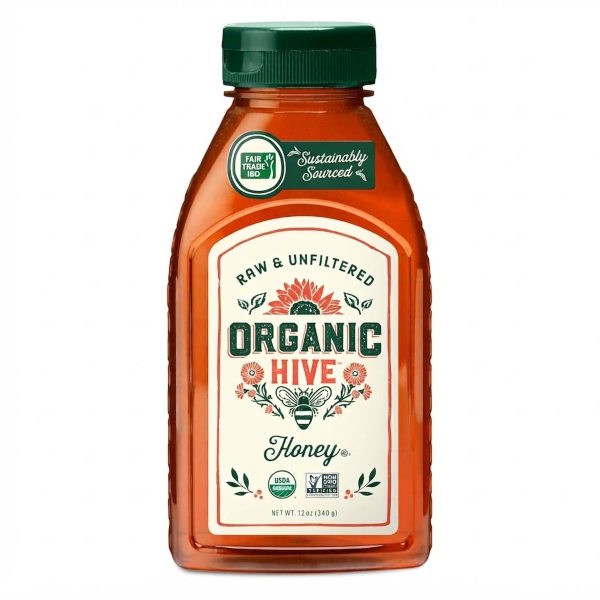
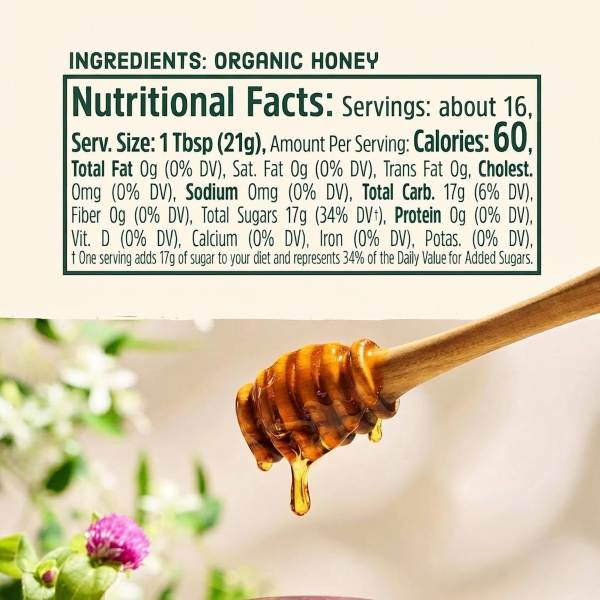
Experience honey the way nature intended. Our Organic Hive Honey is USDA Certified Organic, fair trade, and raw, so every spoonful delivers pure, golden flavor with nothing added. It is minimally processed to keep its natural pollen and enzymes, giving you a thick, aromatic honey with a rich floral character.
Sourced from beekeepers who receive fair pay and work under ethical conditions, each 12 oz jar supports both quality and community. Stir it into tea, drizzle it over yogurt, whisk it into dressings, or bake with it in place of refined sugar. Natural crystallization is normal and easy to fix. Simply warm the jar gently.

Walk down any grocery aisle and the honey shelf looks crowded. Bears, tubes, and dozens of labels all compete for your attention. Picking the right jar takes a little know-how. This guide explains what Organic Hive Honey really means, how it compares with standard honey, and how to enjoy every spoonful.
Organic Hive Honey is honey produced under USDA organic standards. Bees forage in areas managed without prohibited synthetic pesticides, and the beekeeping itself follows strict organic rules. Certification requires documentation and inspection, so the seal on the jar carries real weight.
Raw honey adds another layer. Rather than being heated and ultra-filtered, it is simply strained to remove larger bits of wax. Natural pollen and enzymes typically remain, which gives the honey a thicker texture and a fuller flavor.
USDA Certified Organic
The USDA seal means an accredited certifier has verified the producer’s practices. Operations must follow National Organic Program rules, including how hives are managed and what the bees can access. Consumers get a clear, regulated standard instead of a vague marketing claim.
Fair Trade
Fair trade certification focuses on people. Beekeepers receive fair prices and work under safer conditions. Premiums often go back into community projects, such as education or equipment. Buying a fair trade jar supports steadier livelihoods in regions where beekeeping is a main source of income.
Raw
Raw means minimal processing. High-heat pasteurization is skipped, and aggressive filtration is avoided. Crystallization is completely normal here. In fact, it often signals that the honey has not been over-processed.
The differences show up in sourcing, processing, and ethics:
Some mass-market honey is also blended from several countries. Reading the label closely helps you know exactly what you are buying.
Not every jar on the shelf earns its price. Use this quick checklist before you buy:
A jar that ticks these boxes is far more likely to deliver authentic flavor and real value.
Versatility is where a good jar shines. Try these ideas:
One tip: add honey to warm drinks rather than boiling ones. Gentler heat keeps the delicate aroma intact.
Proper storage keeps flavor steady for a long time. Keep the jar tightly sealed at room temperature, away from direct sunlight and heat sources. Always use a clean, dry spoon to avoid introducing moisture. Refrigeration is unnecessary and speeds up crystallization.
Fixing Crystallized Honey
If your honey turns solid or grainy, do not panic. Place the sealed jar in a bowl of warm water and stir gently until smooth. Avoid the microwave, since uneven overheating can damage flavor.
A 12 oz jar suits most households. It gives you enough for daily tea and weekend baking without sitting in the pantry too long. Gift-givers also like the size, since it looks generous but stays affordable. Organic Hive Honey in this format works well for first-time buyers who want to sample raw honey before committing to larger containers.
Honey is safe for most people, but infants under 12 months should never eat it because of the risk of infant botulism. Since honey is also a form of sugar, moderation still matters. Anyone with allergies or medical concerns should check with a healthcare professional first.
Is this honey the same as raw honey?
Not always. Organic refers to how the honey was produced and certified, while raw describes how it was processed. Some jars, like this one, are both.
Does raw honey expire?
Honey has a very long shelf life when stored properly. Changes in texture are usually cosmetic rather than a sign of spoilage.
Why is fair trade honey worth it?
It supports ethical sourcing and fair pay, which adds value beyond taste.
Y.S. Eco Bee Farms USA
Y.S. Eco Bee Farms USA is a trusted American wellness brand offering premium organic bee products. We provide pure, natural, and effective bee-based supplements made with sustainable sourcing and ethical beekeeping.
Y.S. ECo Bee Farms
Y.S. Organic Bee Farms
All Right Reserved Design By Example
Reviews
There are no reviews yet.