- Discount up to 35% for first purchase only this month.
- sales@ysecobeefarmsusa.com
- (+1) 3252088500
$7.99
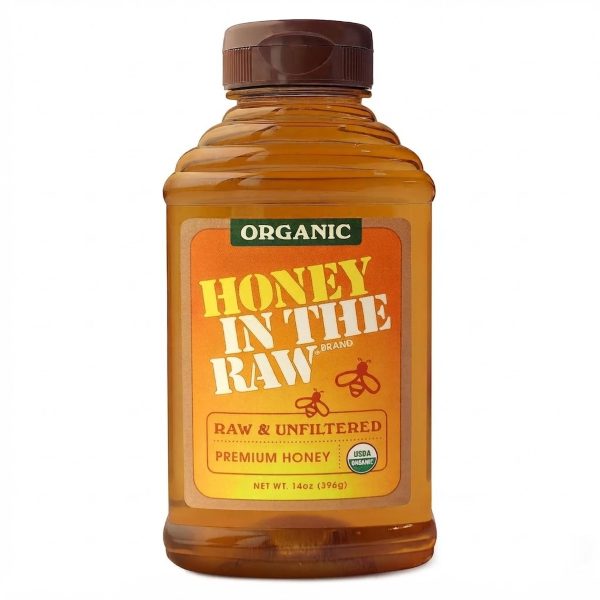
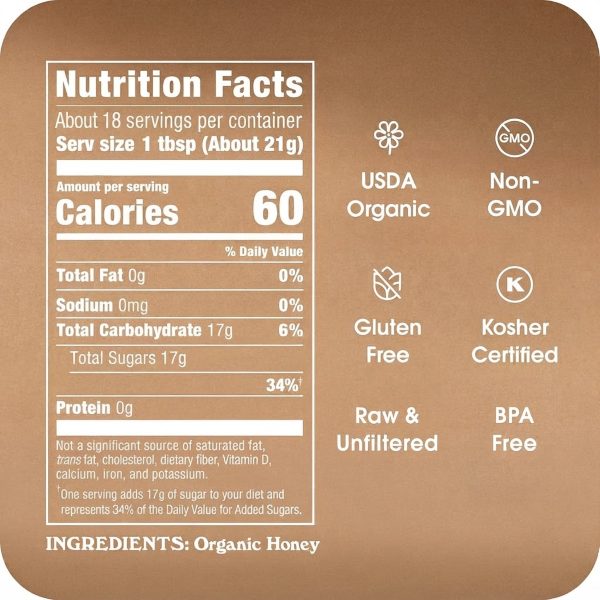
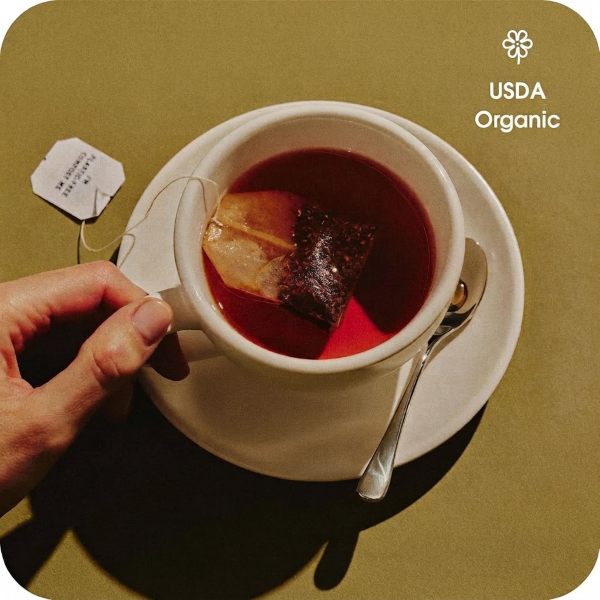
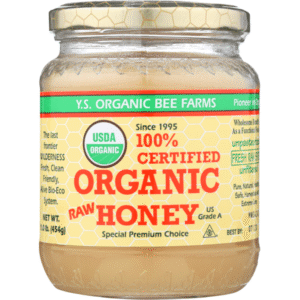
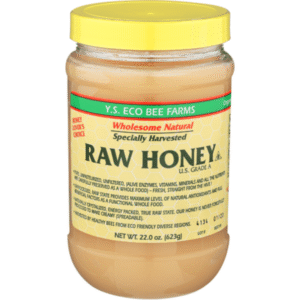
Honey In The Raw Organic Raw & Unfiltered Honey is nature’s sweetness, bottled the way bees made it. It is minimally processed, so it keeps the natural character, aroma, and golden richness that heavily filtered honey loses. The 14 oz squeeze bottle makes it easy to use. You can drizzle it over toast, stir it into tea, blend it into smoothies, or glaze roasted vegetables without sticky spoons or drips. It is a versatile pantry staple for breakfast, baking, and wellness routines. The size suits everyday use, and the bottle is easy to store and share. Order from Y.S. Eco Bee Farms USA for pure, organic honey delivered to your door.

Walk down any grocery aisle and you’ll find dozens of honey jars that look nearly identical. The labels tell very different stories, though. Some honey is heated, pressed through fine filters, and blended for uniform color. Other honey stays close to its natural state. If you want the second kind, Organic Raw & Unfiltered Honey is the option to look for. This guide explains what those words mean, what to expect from the honey, and how to get the most from every bottle.
Each word on the label describes something different, so it helps to take them one at a time.
Organic
Organic honey comes from bees that forage in areas managed without synthetic pesticides or chemical treatments. Certification standards vary by region, so check the label for a recognized organic seal.
Raw
Raw honey has not been pasteurized, meaning it isn’t subjected to high heat. Gentle handling helps preserve the natural enzymes, pollen traces, and delicate flavors that heat can dull.
Unfiltered
Unfiltered honey is strained only enough to remove large bits of beeswax and debris. Fine particles such as pollen remain. That is why you may see a slightly cloudy appearance and a fuller, more complex taste.
Shoppers who switch from standard honey usually mention a few things:
Honey is still a sugar, so moderation matters. A spoonful goes a long way, and the fuller flavor means you often need less.
Honey In The Raw Organic Raw & Unfiltered Honey comes in a 14 oz squeeze bottle built for daily use. Anyone who has wrestled with a sticky jar and a dripping spoon will see the appeal right away.
Here is what the bottle offers:
A bottle of good honey should not sit untouched. These ideas are easy to start with:
Tip: Add honey after cooking or once drinks have cooled slightly. Very high heat can reduce the delicate flavors that make raw honey special.
Not every label tells the whole story. Before you buy, check these points:
Honey never needs refrigeration. Keep the bottle tightly closed at room temperature, away from direct sunlight and heat sources.
Over time, raw honey may thicken or crystallize. This is normal and is not a sign of spoilage. It happens because natural glucose separates from the liquid. To restore the smooth texture, place the closed bottle in a bowl of warm (not boiling) water for several minutes and stir gently. Avoid microwaving, since overheating can damage flavor.
Honey should never be given to infants under 12 months old. If you have specific health concerns or dietary restrictions, speak with your doctor before making changes to your diet.
Y.S. Eco Bee Farms USA
Y.S. Eco Bee Farms USA is a trusted American wellness brand offering premium organic bee products. We provide pure, natural, and effective bee-based supplements made with sustainable sourcing and ethical beekeeping.
Y.S. ECo Bee Farms
Y.S. Organic Bee Farms
All Right Reserved Design By Example

Reviews
There are no reviews yet.