- Discount up to 35% for first purchase only this month.
- sales@ysecobeefarmsusa.com
- (+1) 3252088500

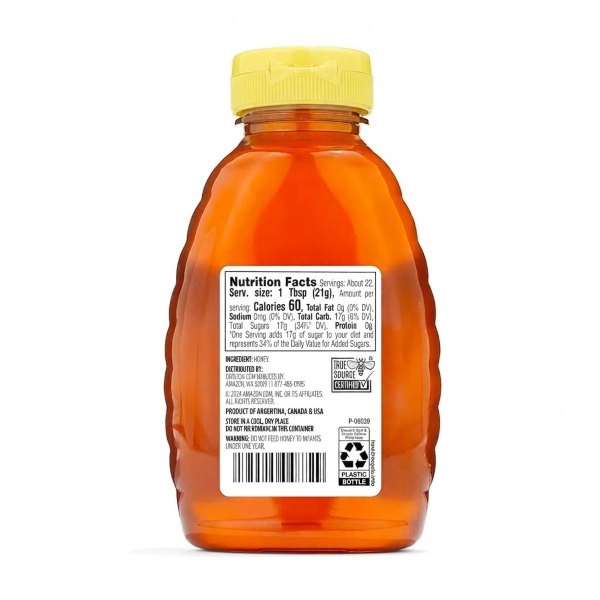

Walk down any grocery aisle and the honey shelf seems endless. Squeeze bears, glass jars, and golden labels all promise purity, yet few deliver it. If you want honey that tastes like real blooms instead of sugar syrup, Raw Wildflower Pure Honey is a smart place to start. This guide explains what it is, why it stands apart, and how to get the most from every spoonful.
Wildflower honey comes from bees that forage across many blossoms rather than a single crop. Clover, goldenrod, dandelion, and wild herbs may all end up in one batch. Because nectar sources shift with season and location, each harvest has its own colour, aroma, and flavour.
The word “raw” matters just as much. Raw honey is strained only enough to remove wax and debris, and it is never pasteurized or ultra-filtered. Pollen traces and natural enzymes stay in the jar. That is the difference a jar of Raw Wildflower Pure Honey makes compared with clear, shelf-stable syrups.
Commercial honey is often heated to keep it liquid and extend shelf life. Heat can dull delicate flavours and reduce naturally occurring compounds. Some products are even blended with cheaper sweeteners.
Here is a quick comparison:
Flavour depends on what the bees visited. Spring batches tend to be lighter and floral, while late-summer harvests lean darker and bolder. Soil, weather, and local plants all leave a mark. This natural variation is a feature, not a flaw, because it shows the honey was not blended into uniformity. Enthusiasts often compare it to wine, where each vintage tells the story of its place and year.
Honey is not a miracle food, but it earns its place in a thoughtful pantry.
Remember that honey is still sugar, so enjoy it in moderation. Never give it to infants under 12 months.
In the Kitchen
For Drinks and Wellness
Stir a teaspoon into warm tea or lemon water. Boiling heat can damage delicate qualities, so let the drink cool slightly first.
For Skin and Home Care
Many people apply a thin layer as a gentle face mask for about ten minutes. Patch test first if your skin is sensitive.
Not every label tells the full story. When comparing jars, look for these signs:
A 16 oz jar suits most households. It lasts several weeks with daily use and usually offers better value per ounce than tiny bottles. Price alone is not proof of quality, but suspiciously cheap honey deserves a second look.
Keep your Raw Wildflower Pure Honey in a tightly sealed container at room temperature, away from direct sunlight. Refrigeration speeds up crystallization, so skip the fridge. Use a clean, dry spoon each time to avoid introducing moisture.
Why Does Raw Wildflower Pure Honey Crystallize?
Crystallization is natural and harmless. It happens when glucose separates from water over time. Set the jar in warm water below 40°C (104°F) and stir gently until smooth again.
Does Honey Expire?
Properly stored honey can last for years. It may darken or thicken, yet it remains safe to eat.
Is Raw Honey Safe for Everyone?
Most adults tolerate it well. People with pollen allergies or diabetes should check with a doctor first, and infants under one year should never have it.
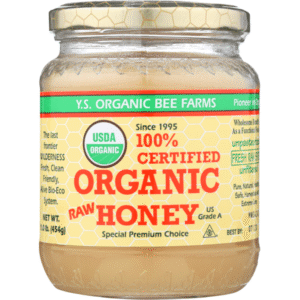
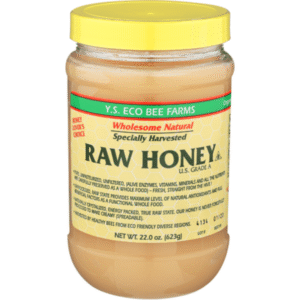
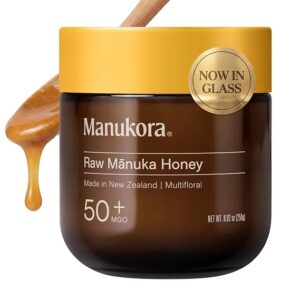
Y.S. Eco Bee Farms USA
Y.S. Eco Bee Farms USA is a trusted American wellness brand offering premium organic bee products. We provide pure, natural, and effective bee-based supplements made with sustainable sourcing and ethical beekeeping.
Y.S. ECo Bee Farms
Y.S. Organic Bee Farms
All Right Reserved Design By Example

Reviews
There are no reviews yet.